First Camera WorkshopSeptember, 2026
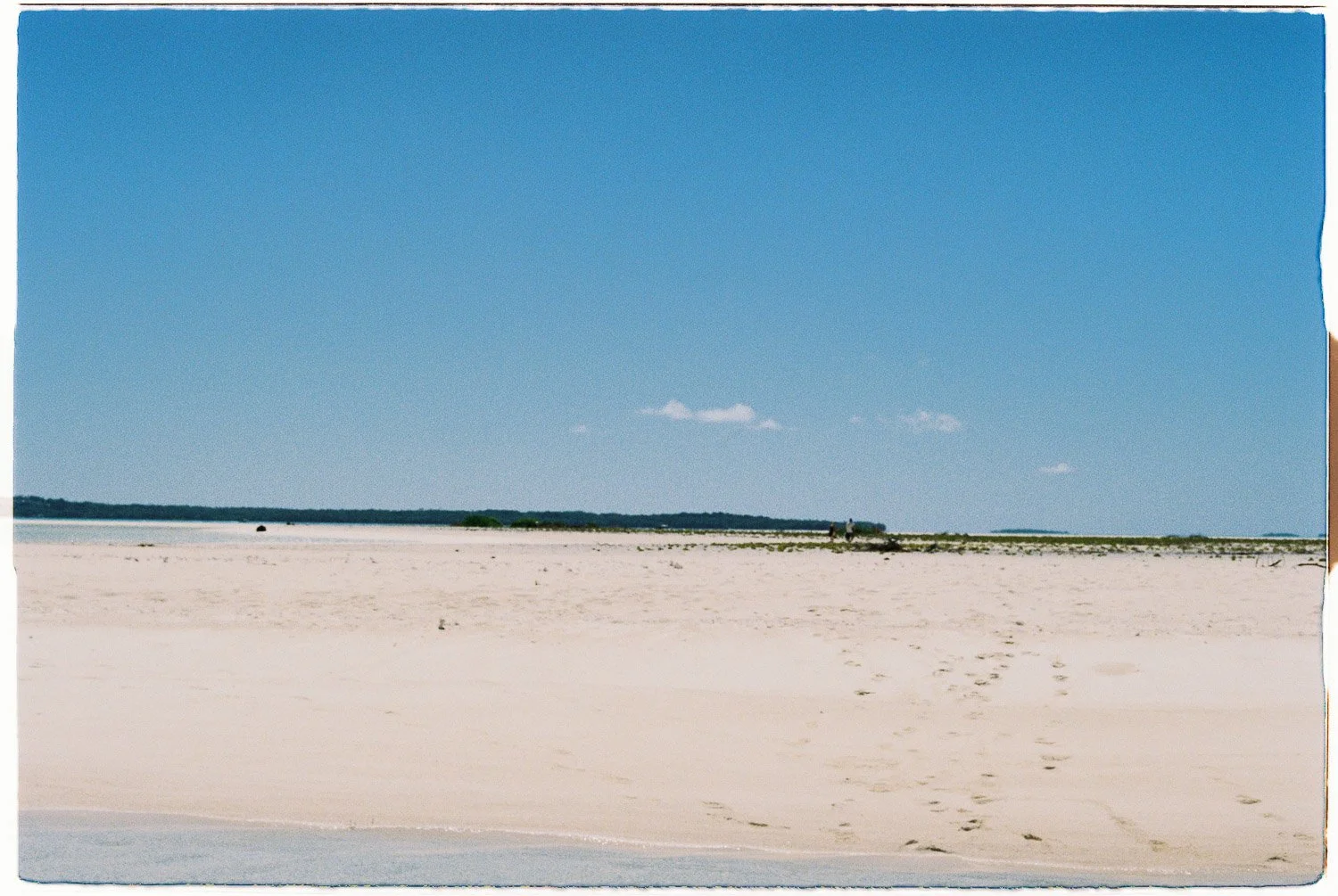
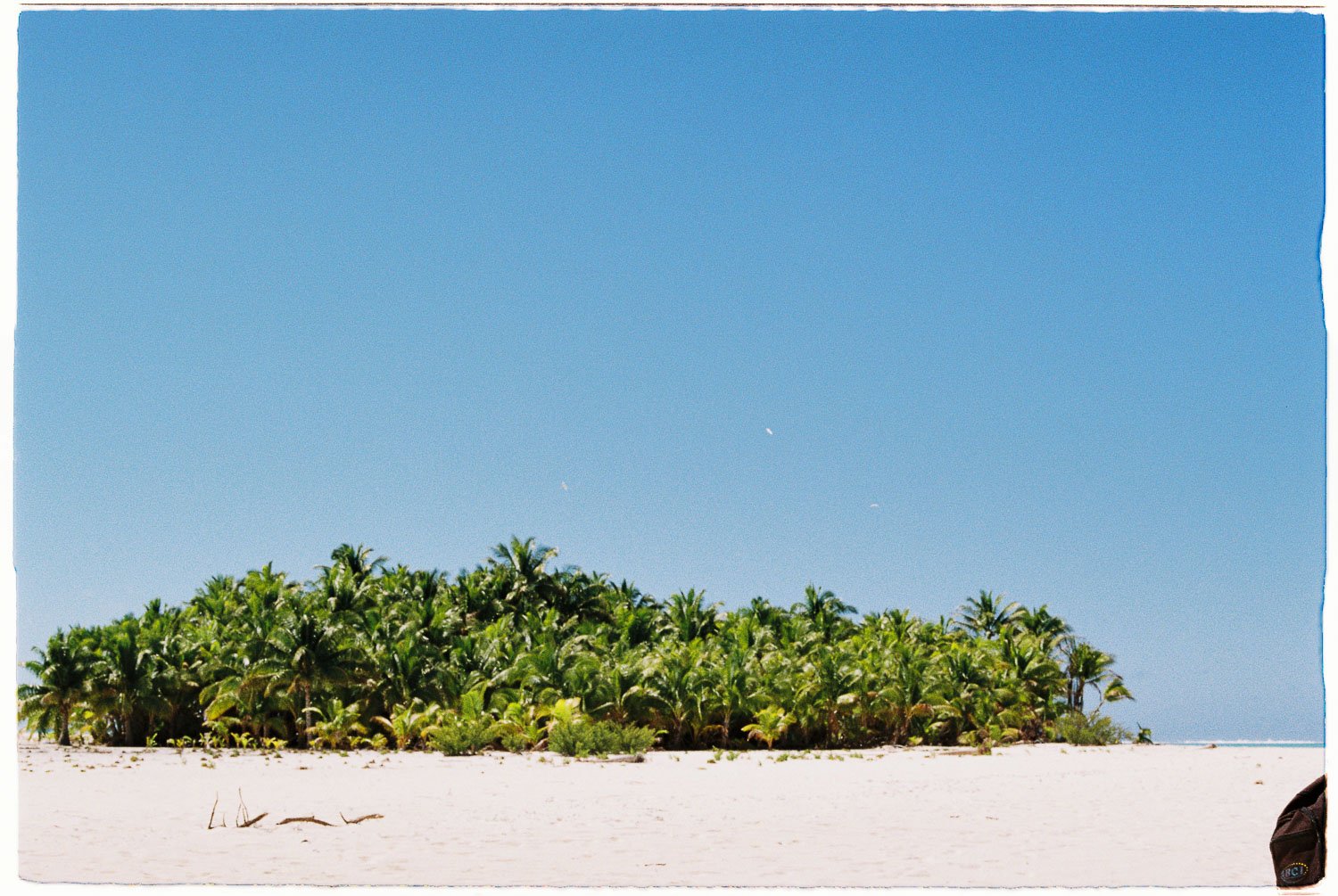
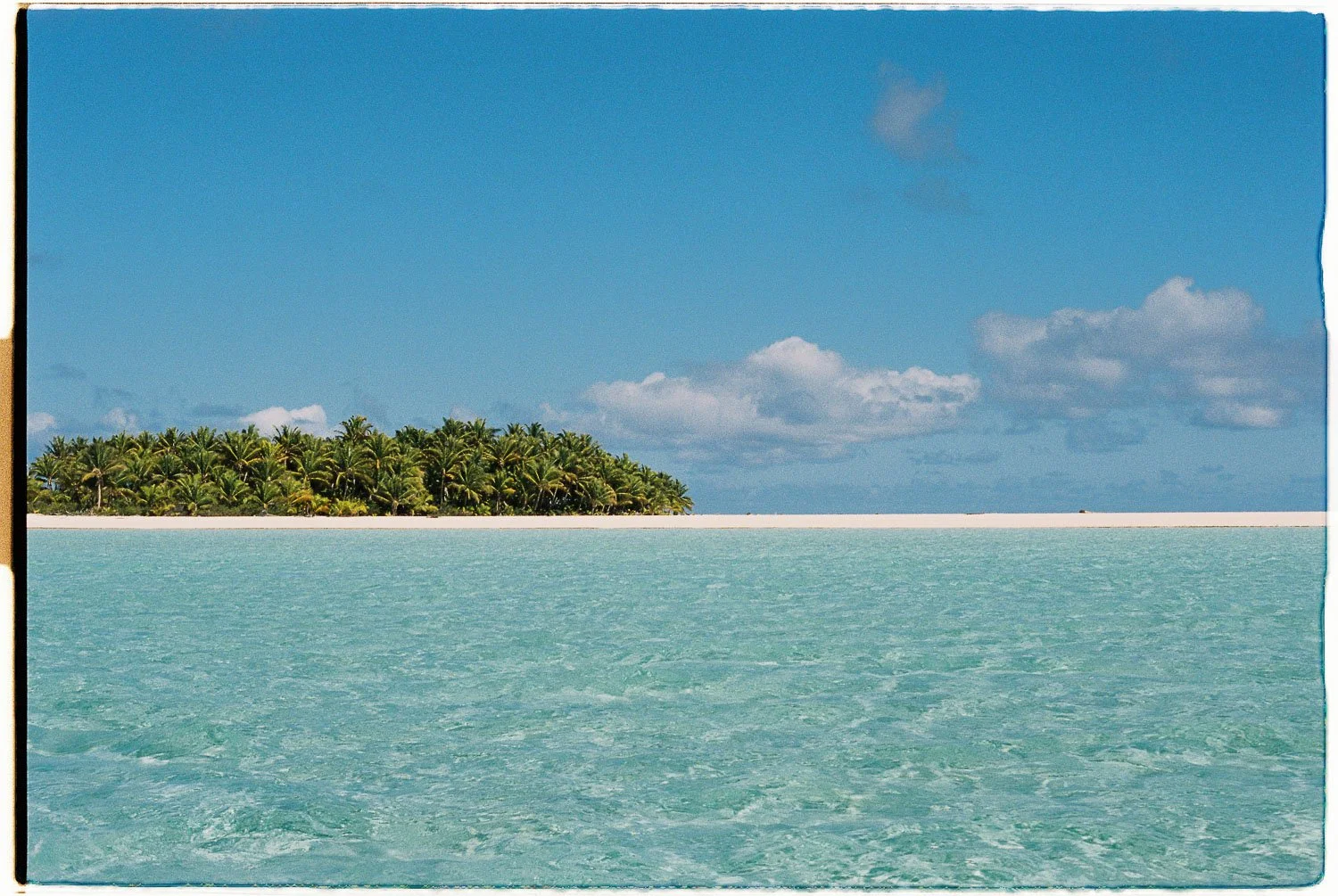
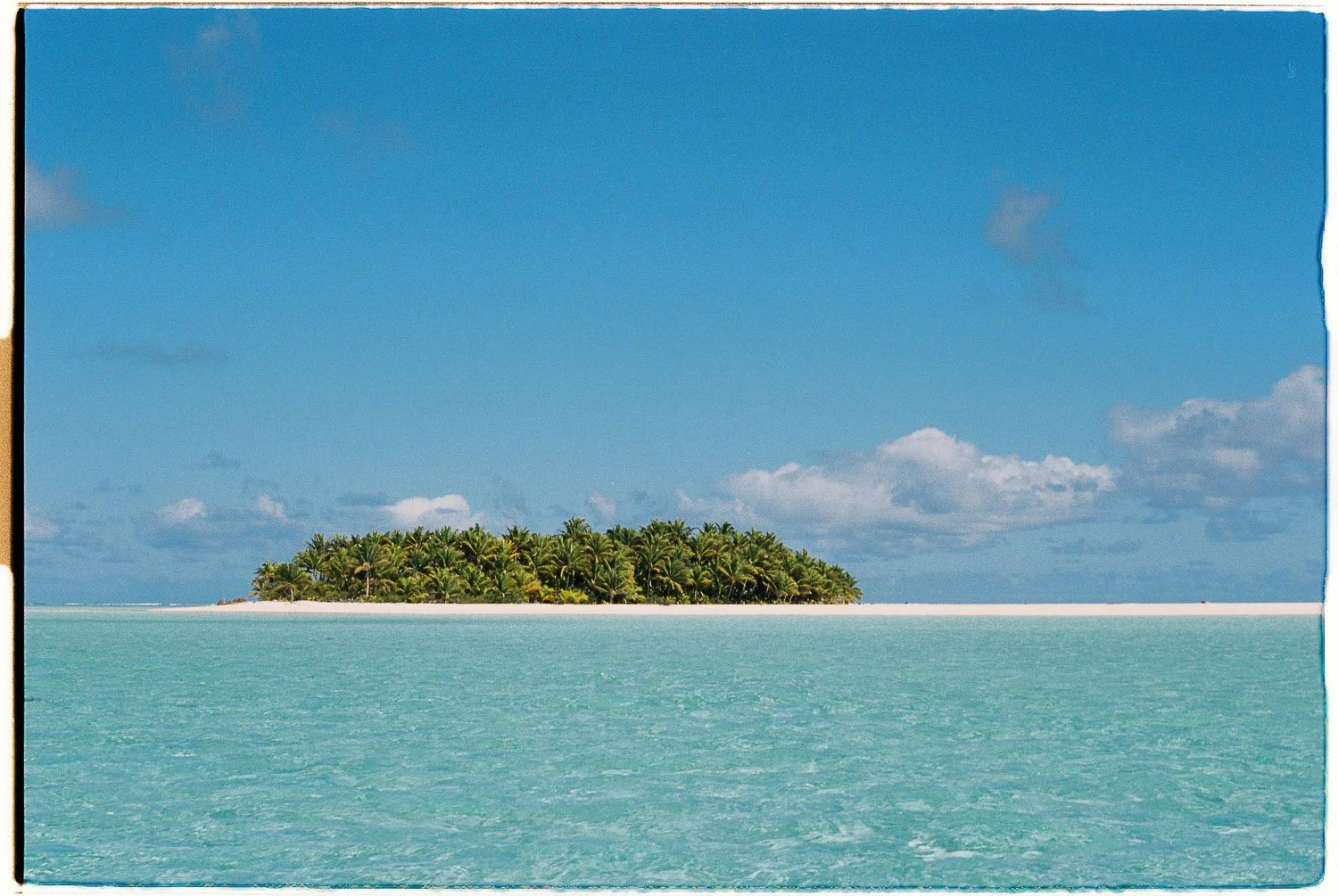
Honeymoon Island, Aitutaki
Coral Kids Field Note
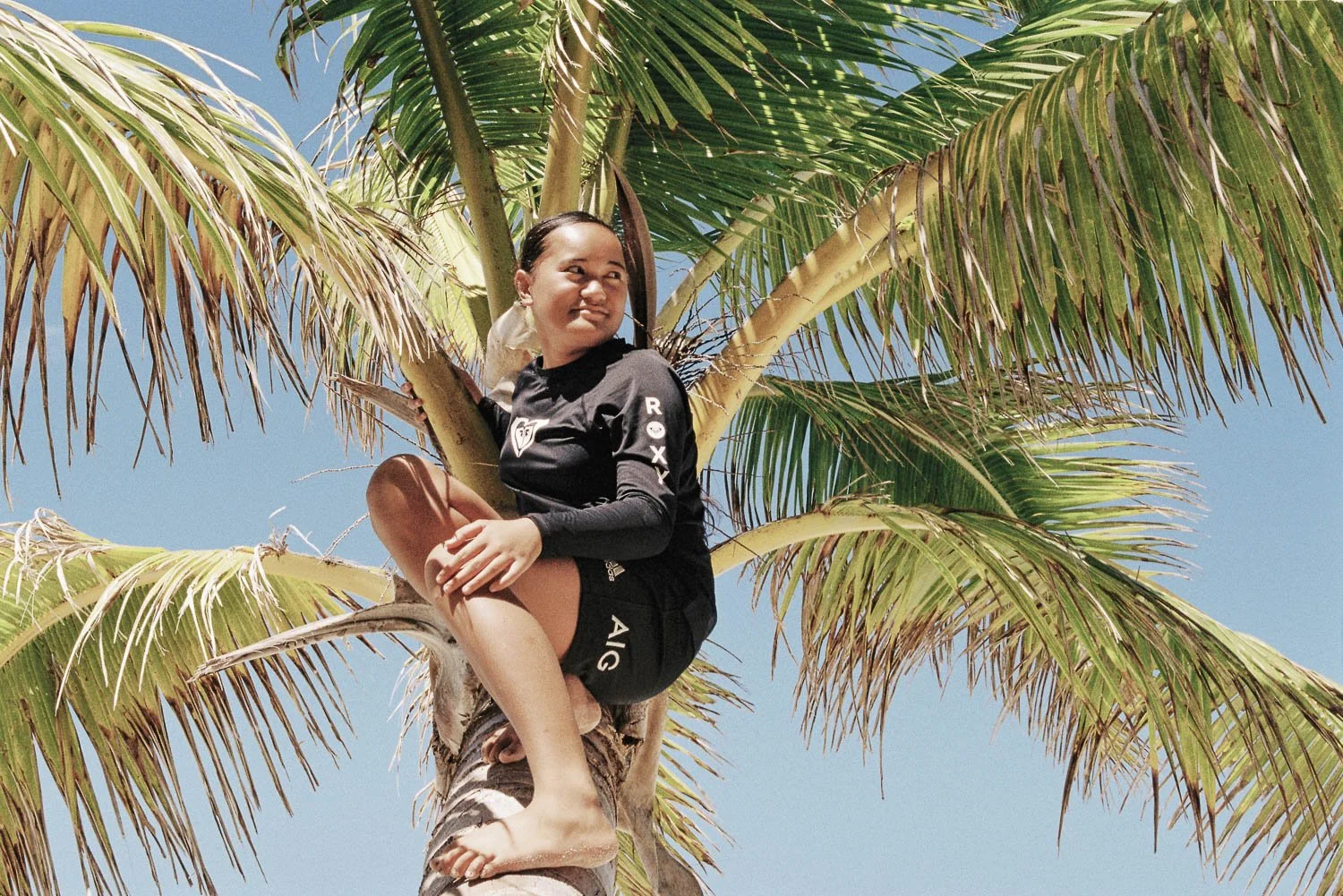
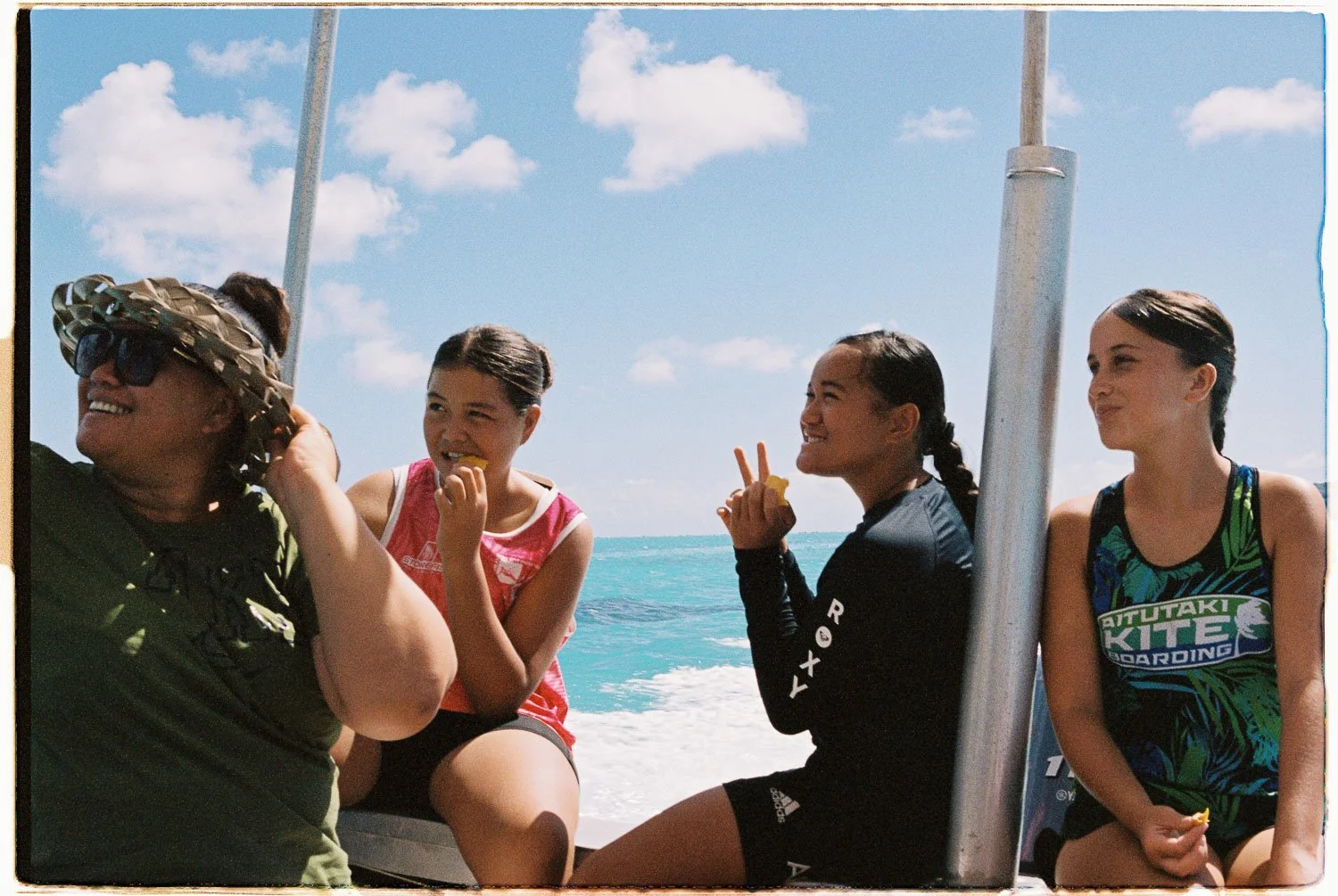
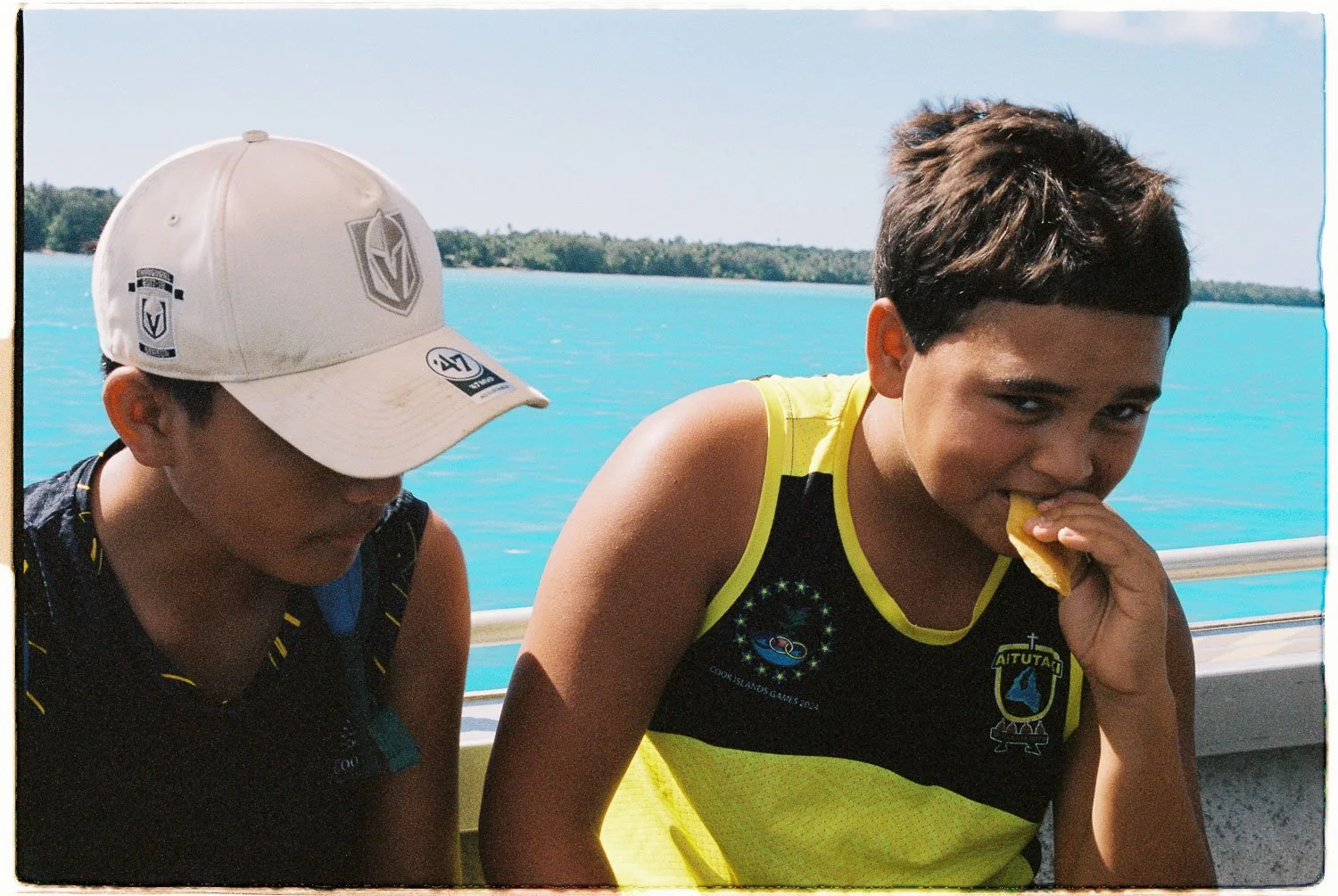
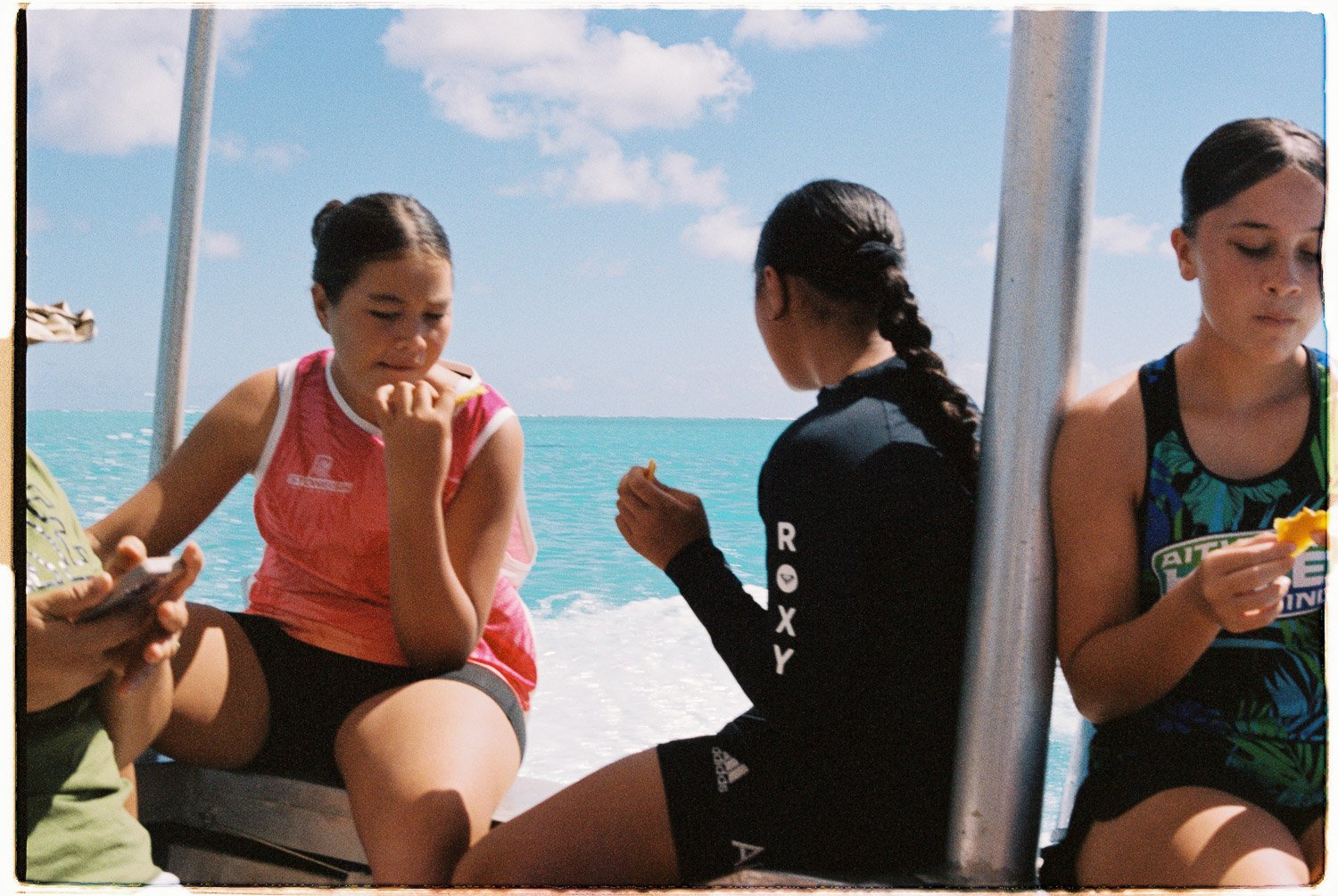
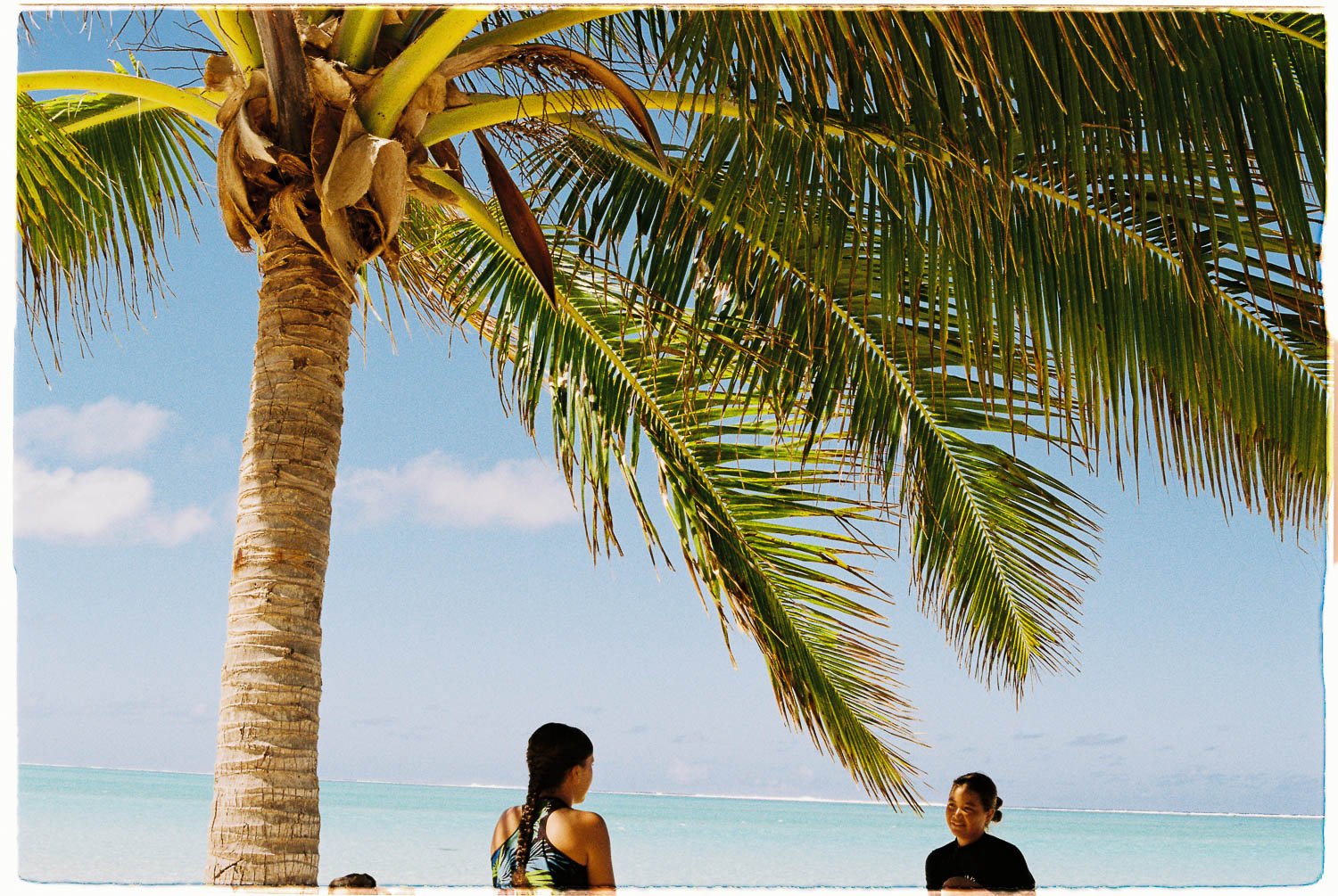
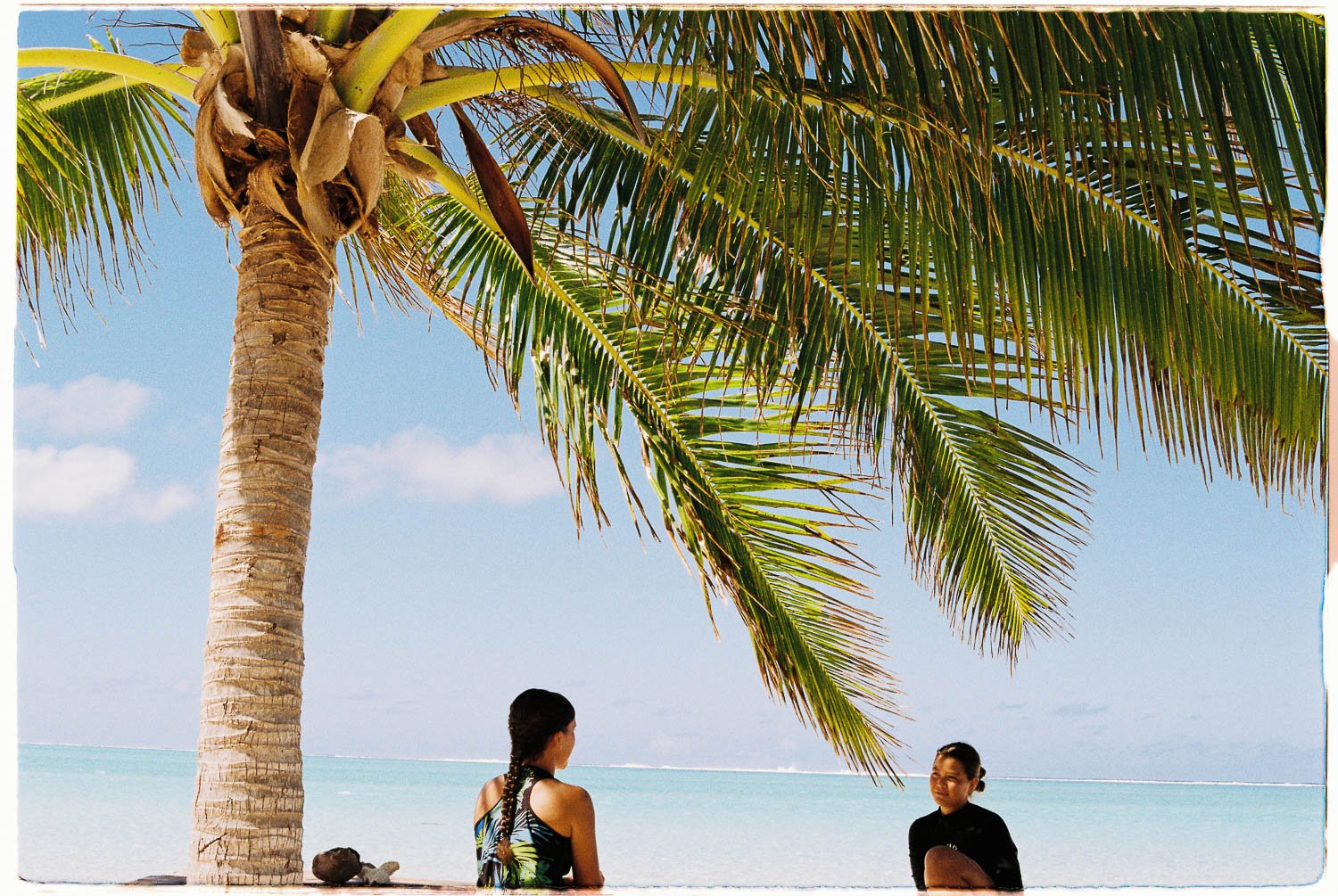
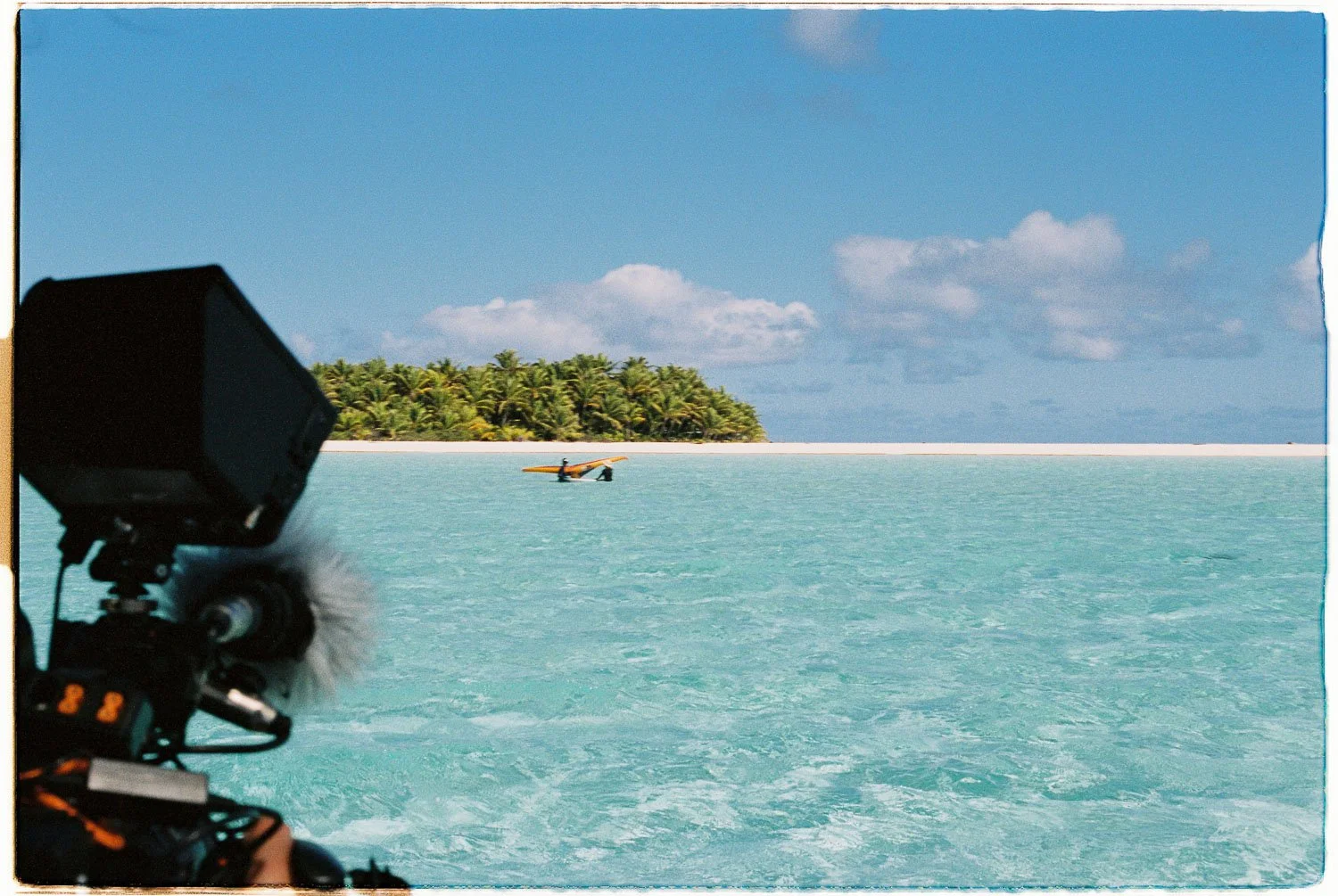
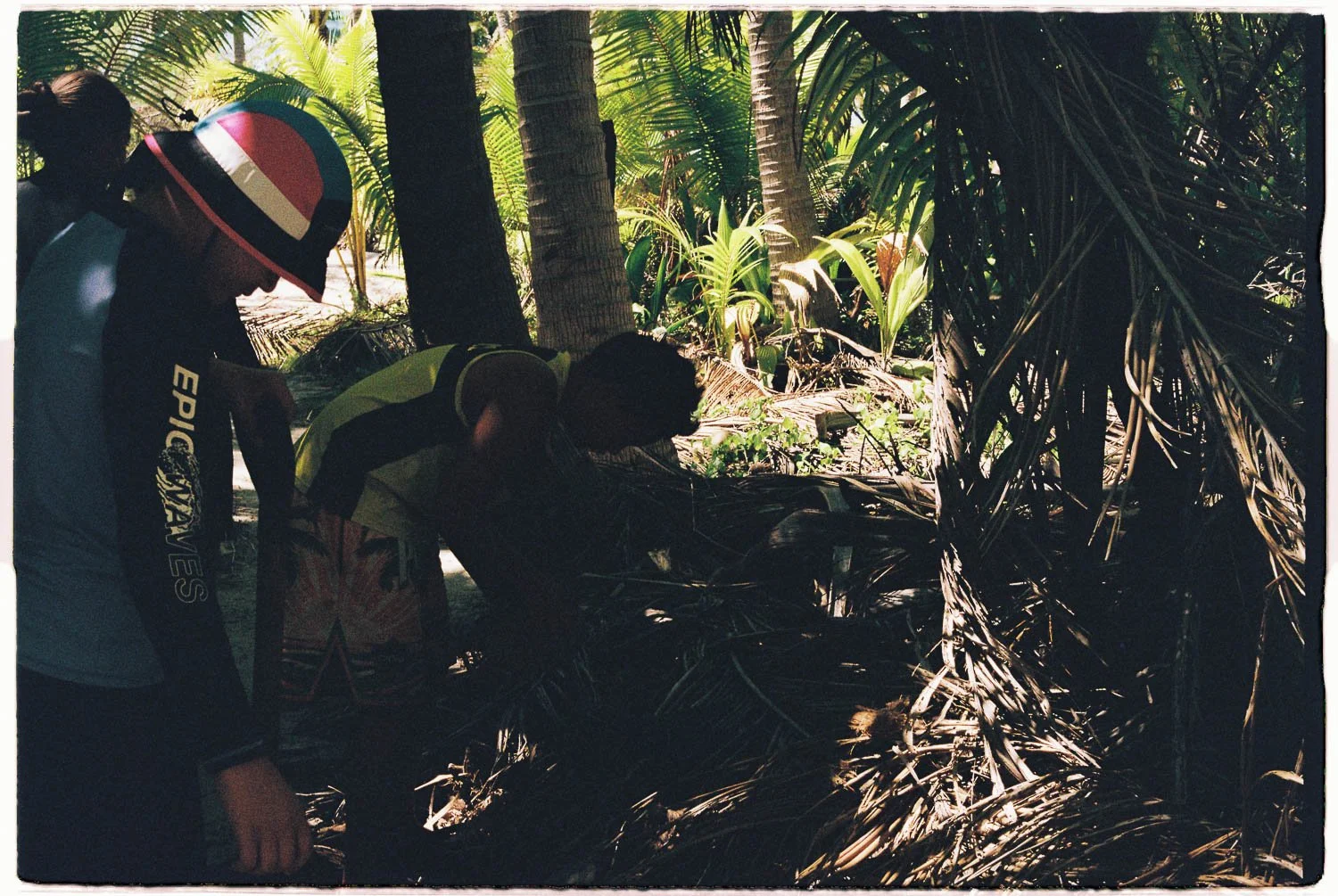
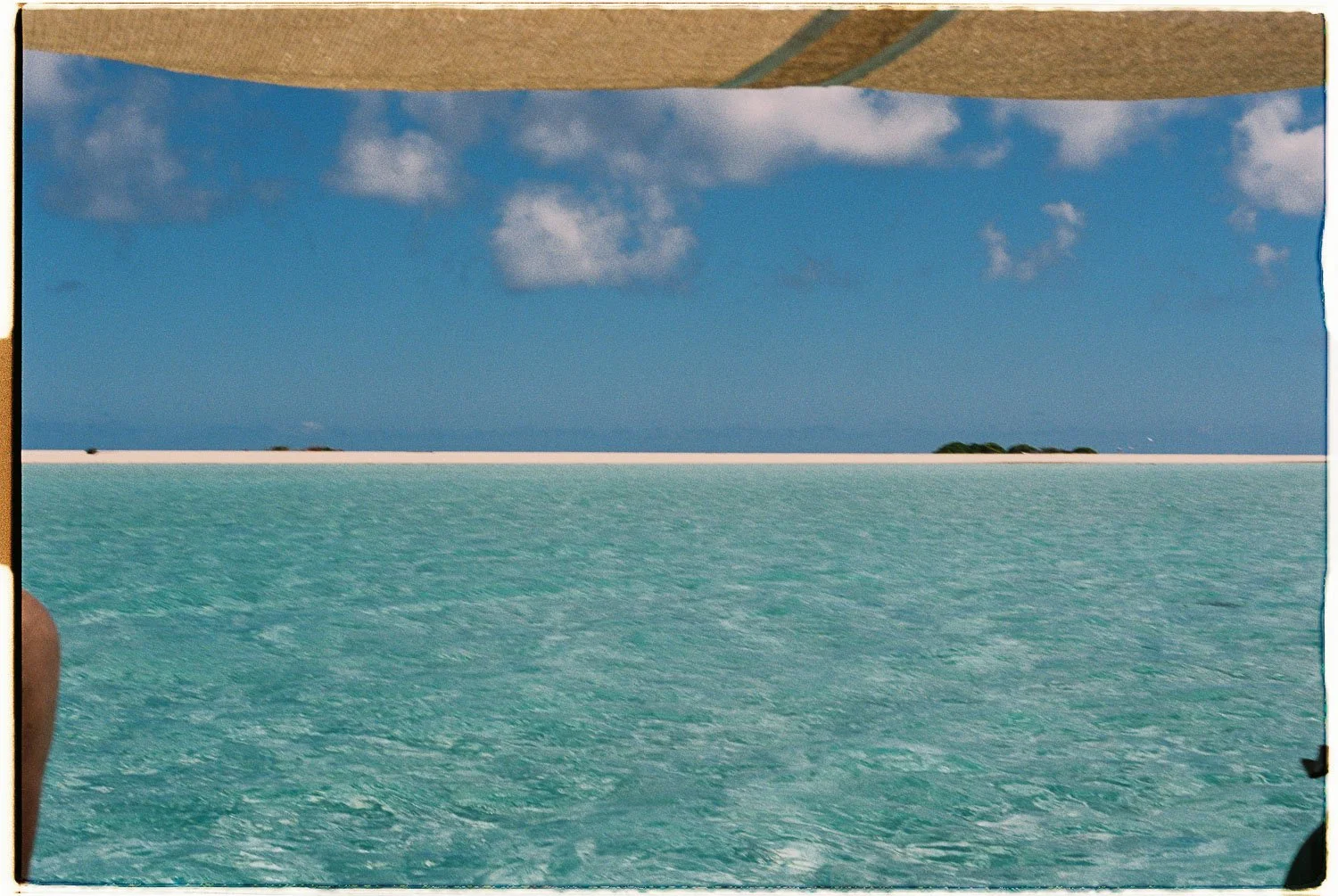
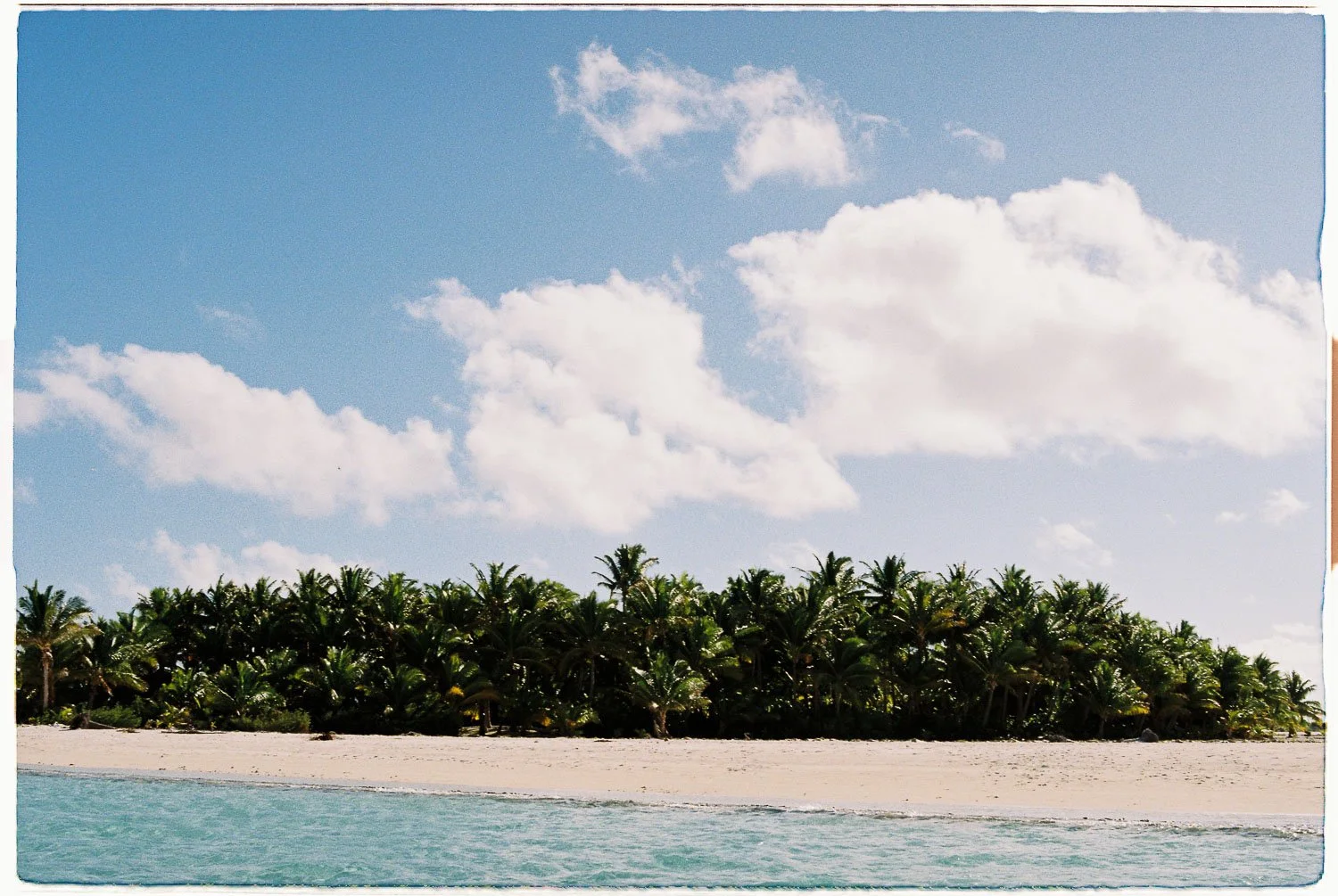
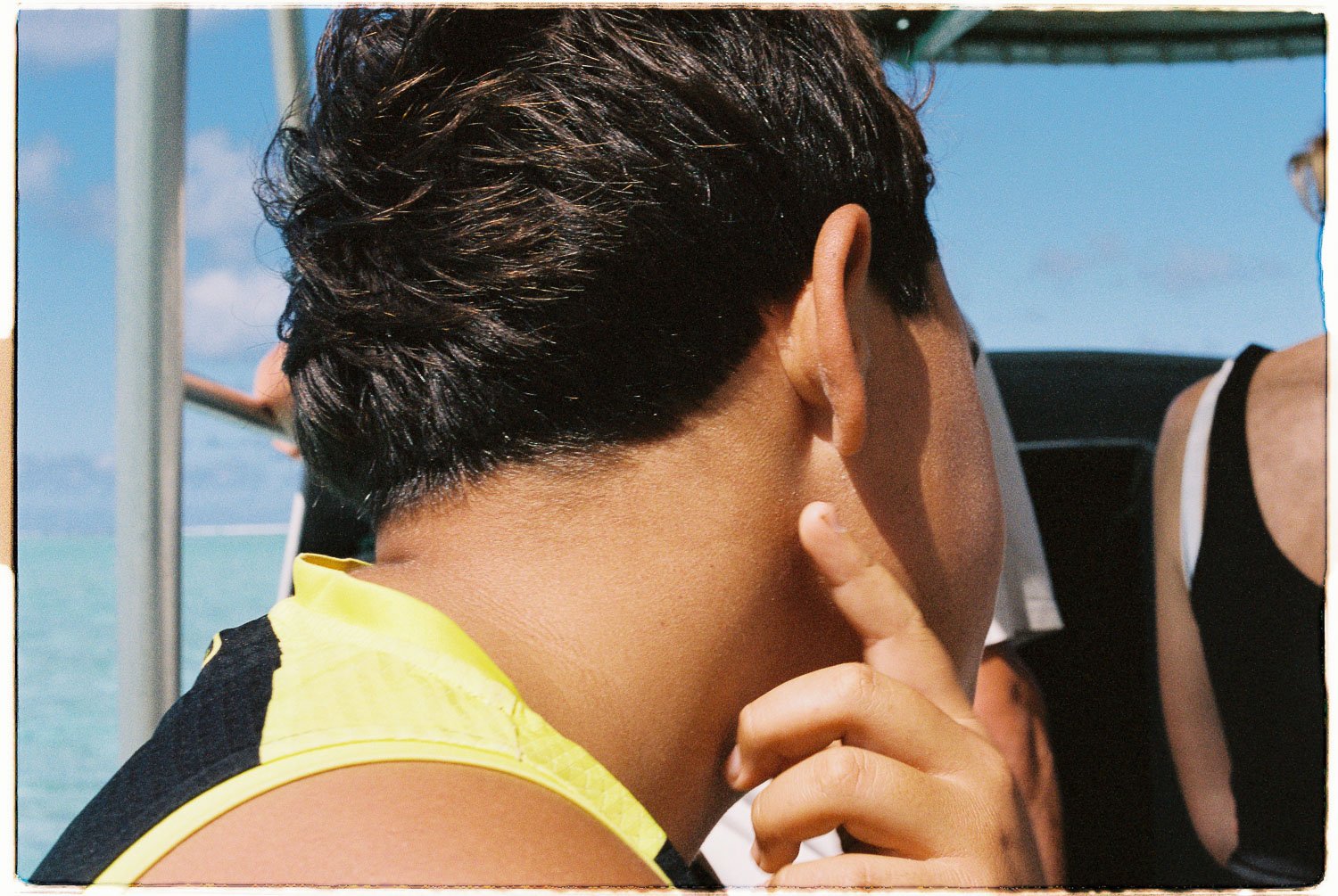
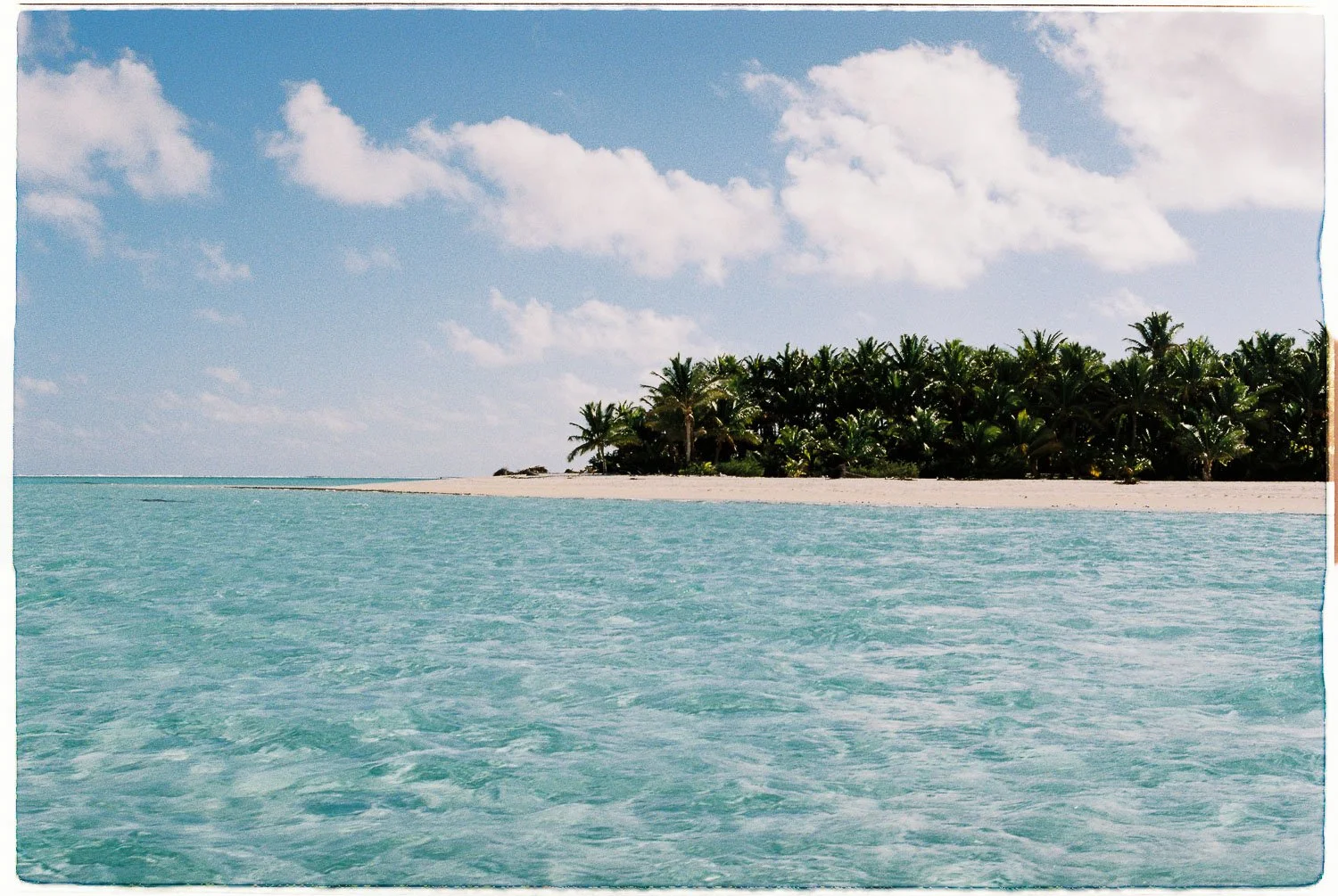
For the first Coral Kids camera workshop, I invited the children to use my own cameras while we were out on Honeymoon Island. The session was open and informal: they could take the camera, try it, and see what happened. It was an initial introduction to holding a camera, moving with it, and noticing how it changes the way people interact during an outing.
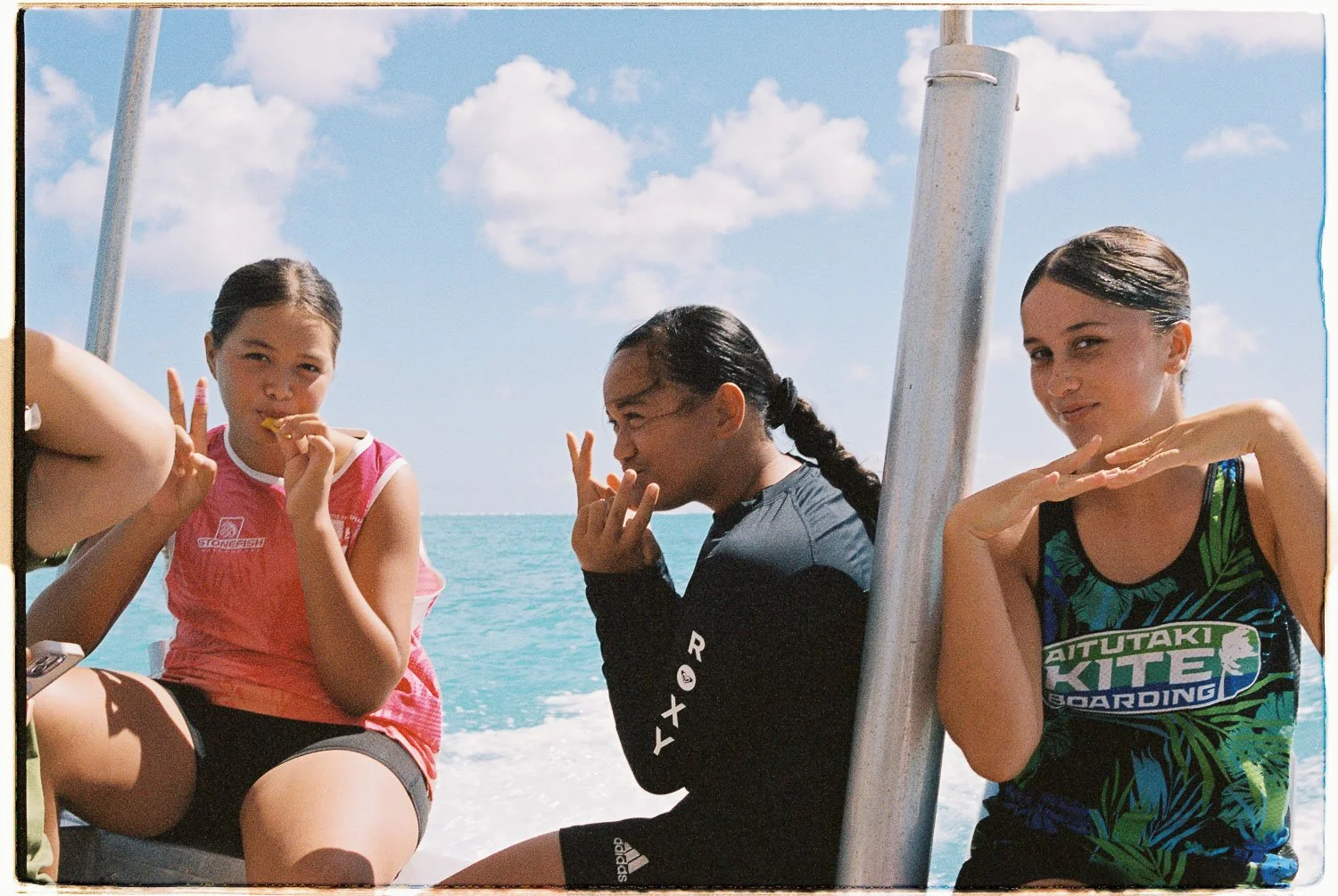
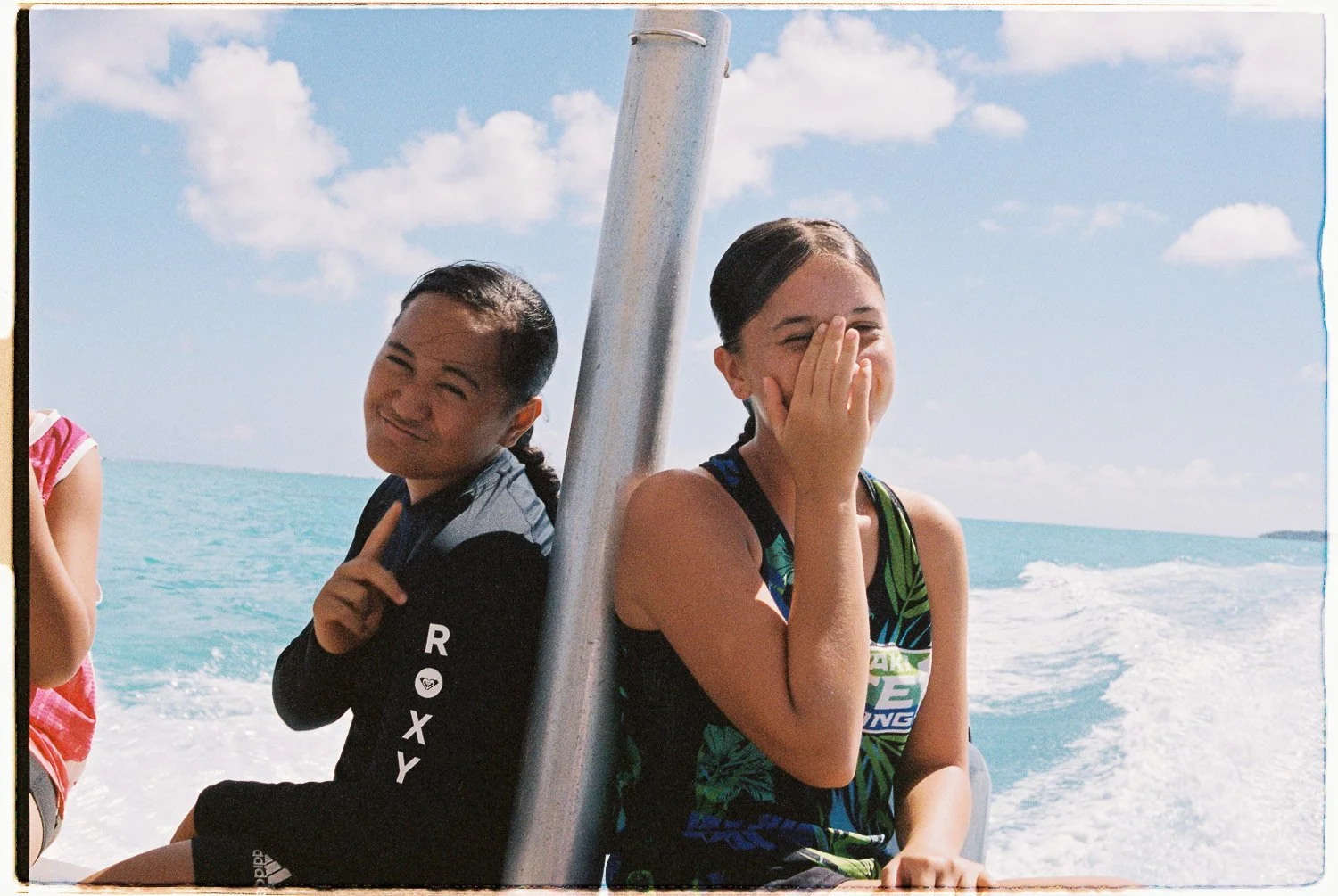
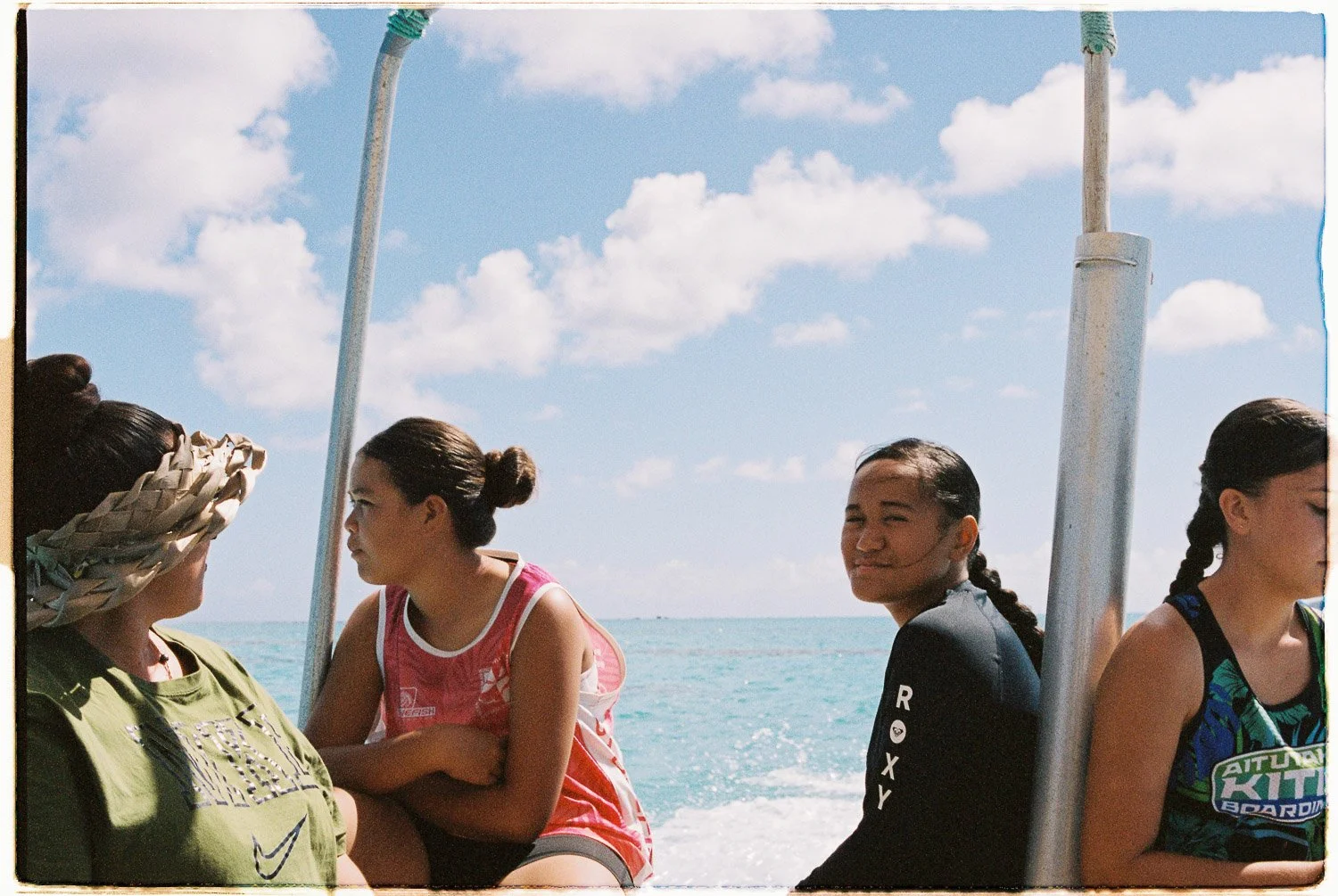
This first workshop was about physical experience. How does it feel to hold the camera? Who wants to use it? What do they choose to photograph? How do people respond when a child points the camera toward them? Before beginning structured workshops, I wanted the children to experience the camera as something they could hold, direct, and test for themselves.
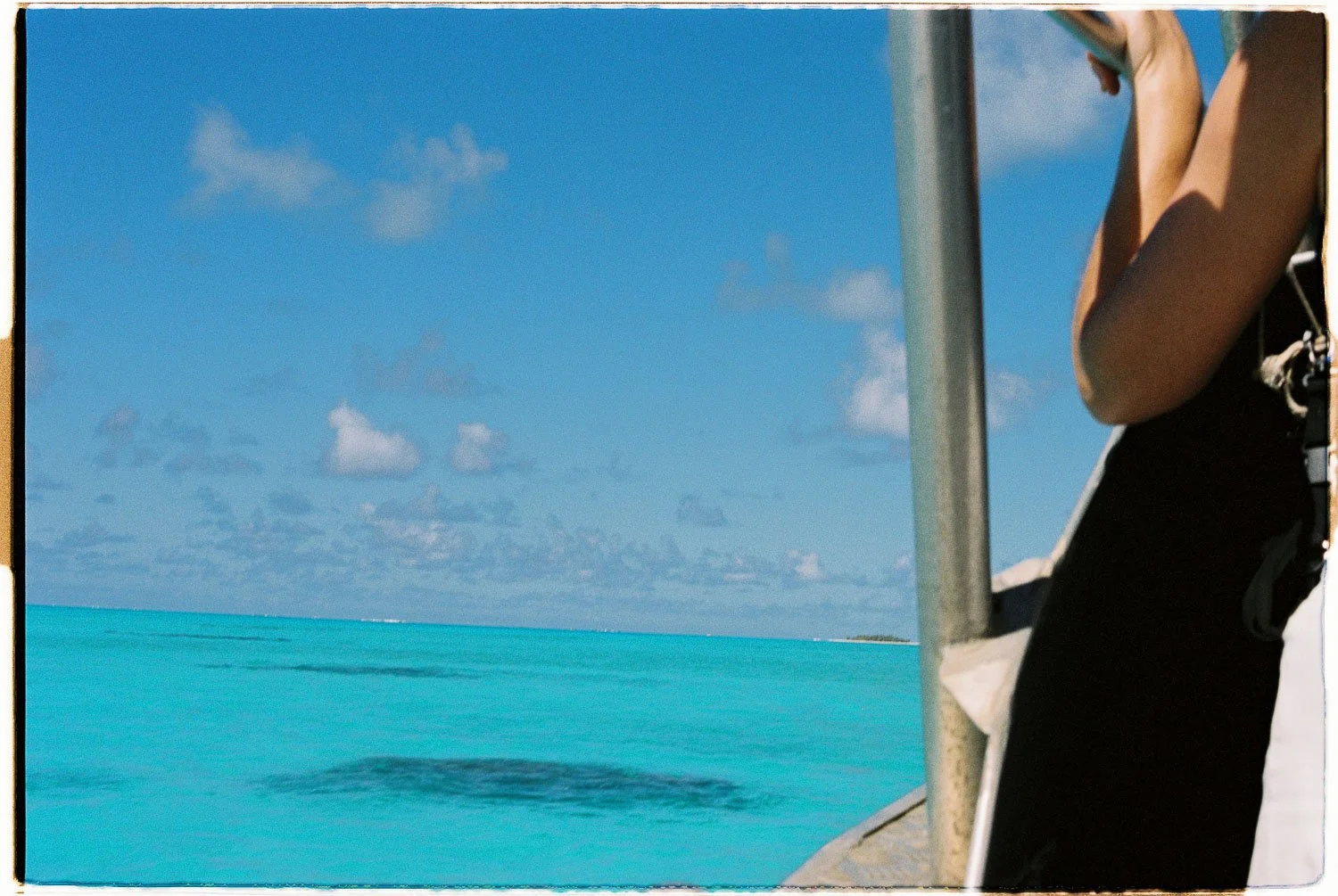
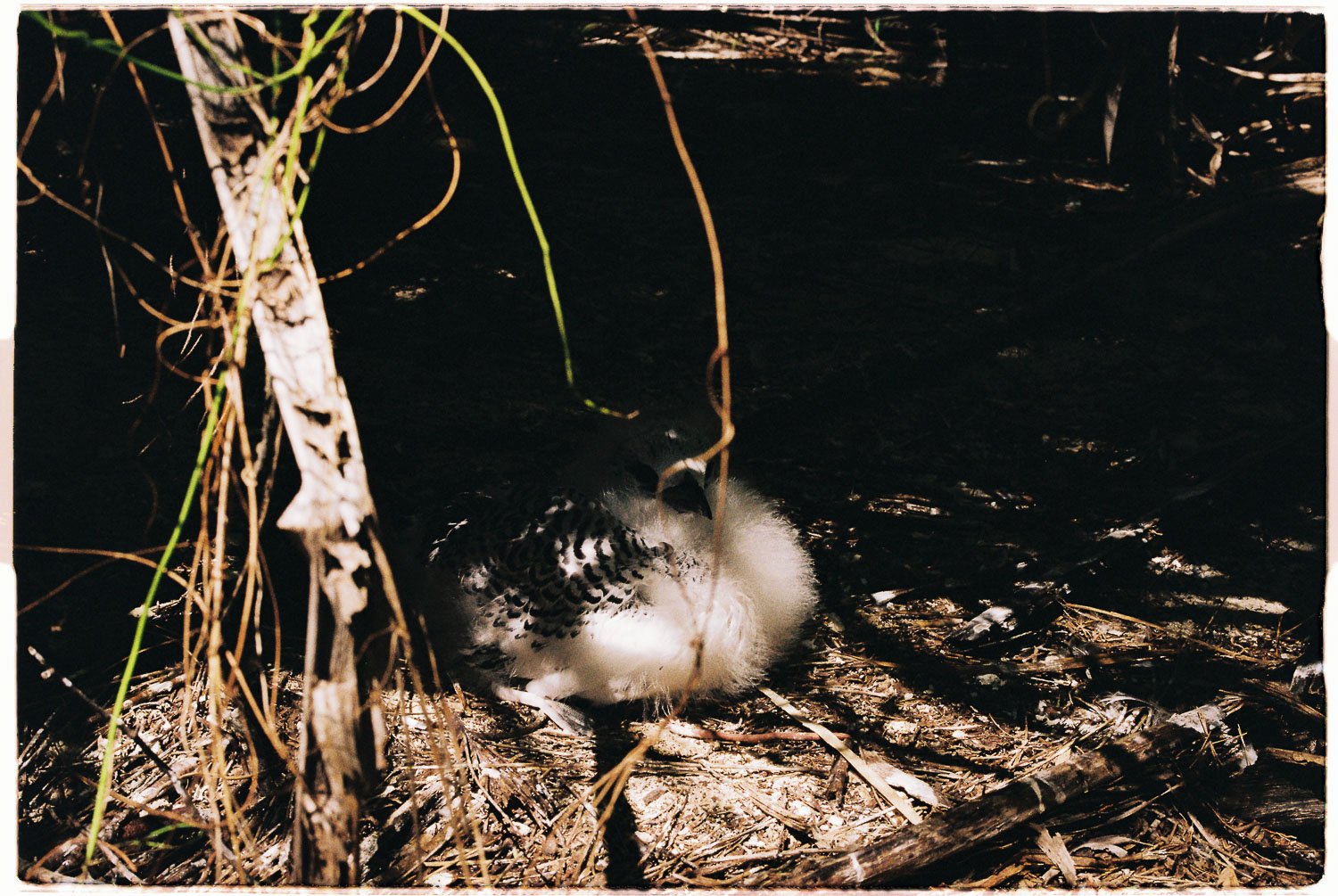
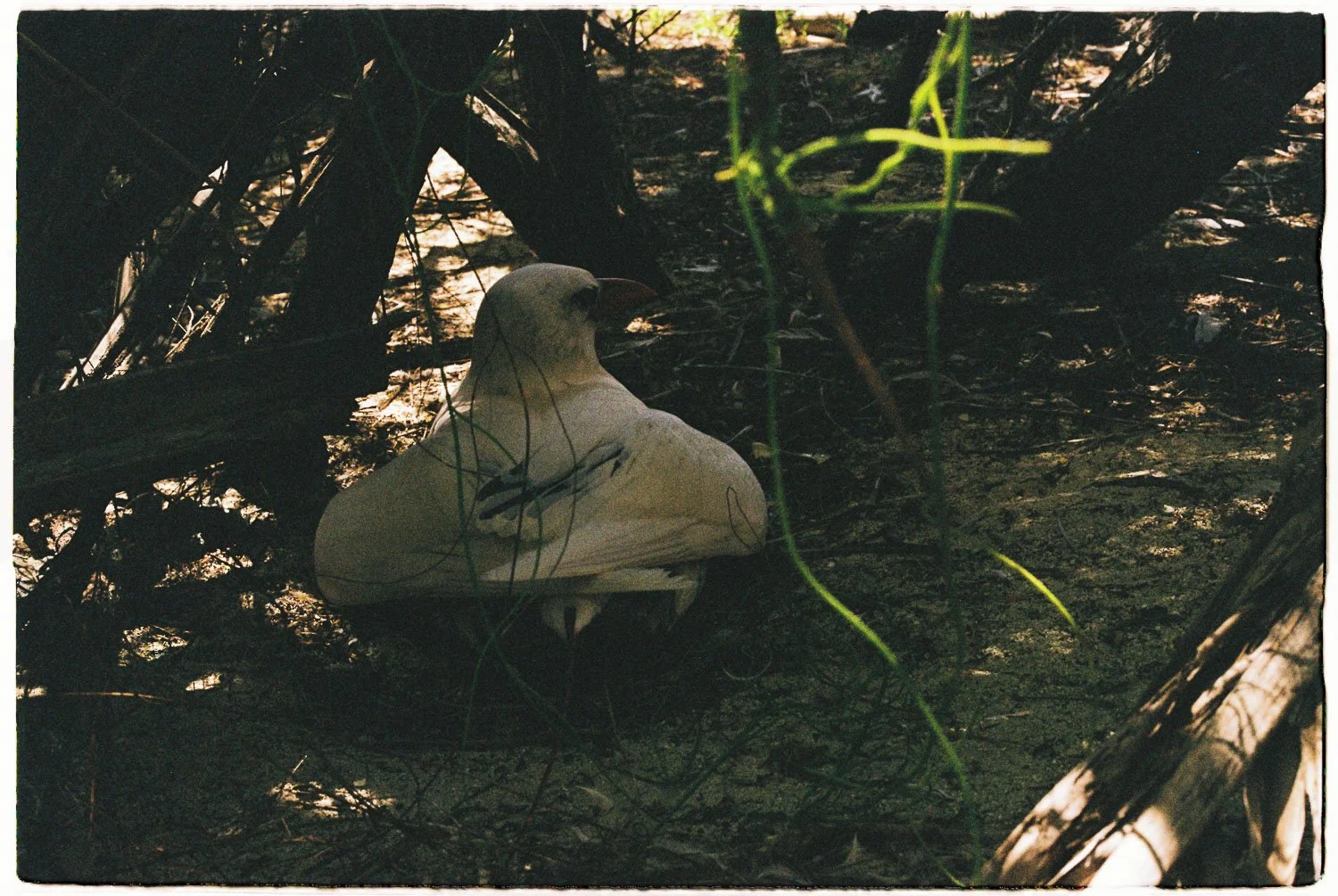
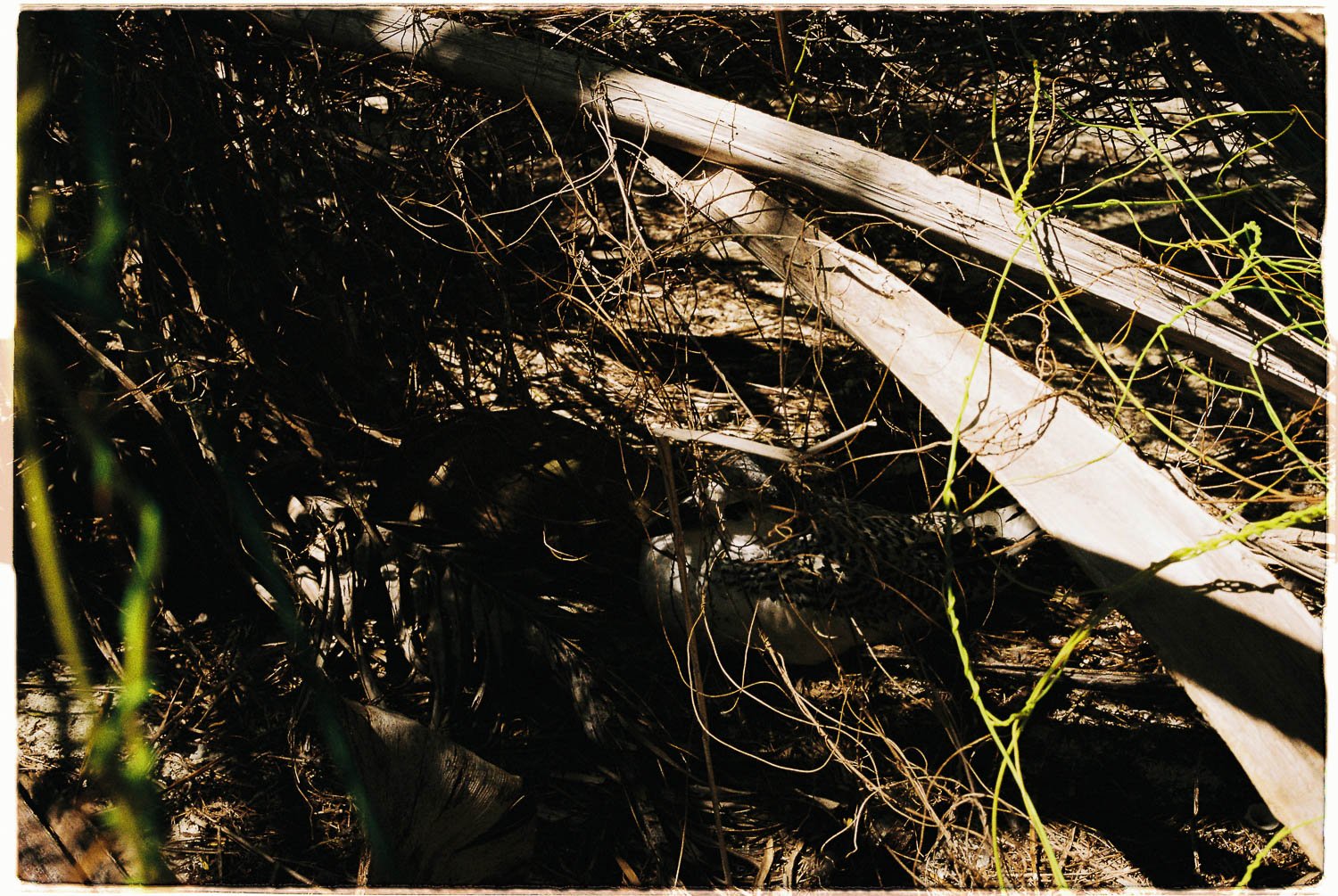
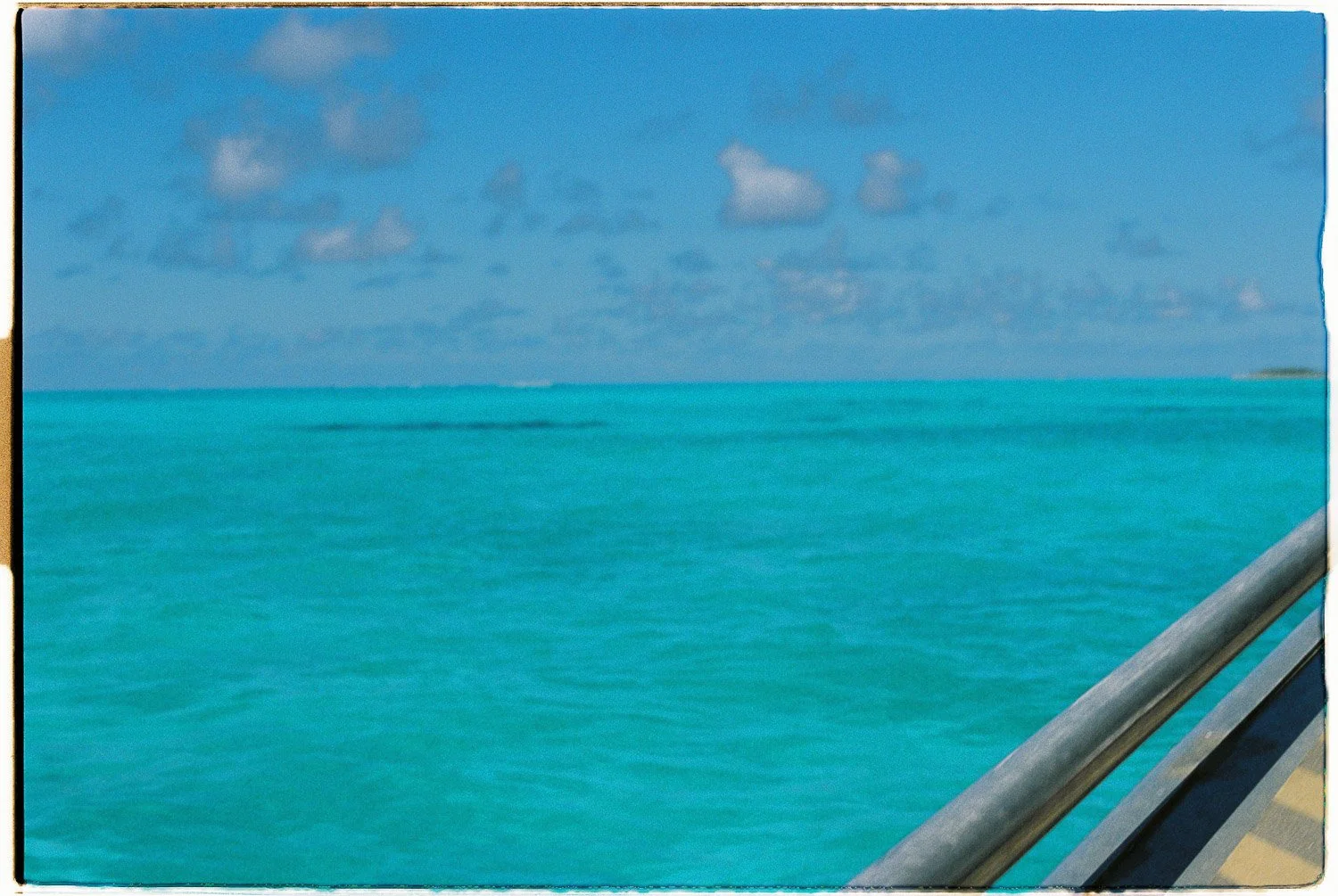
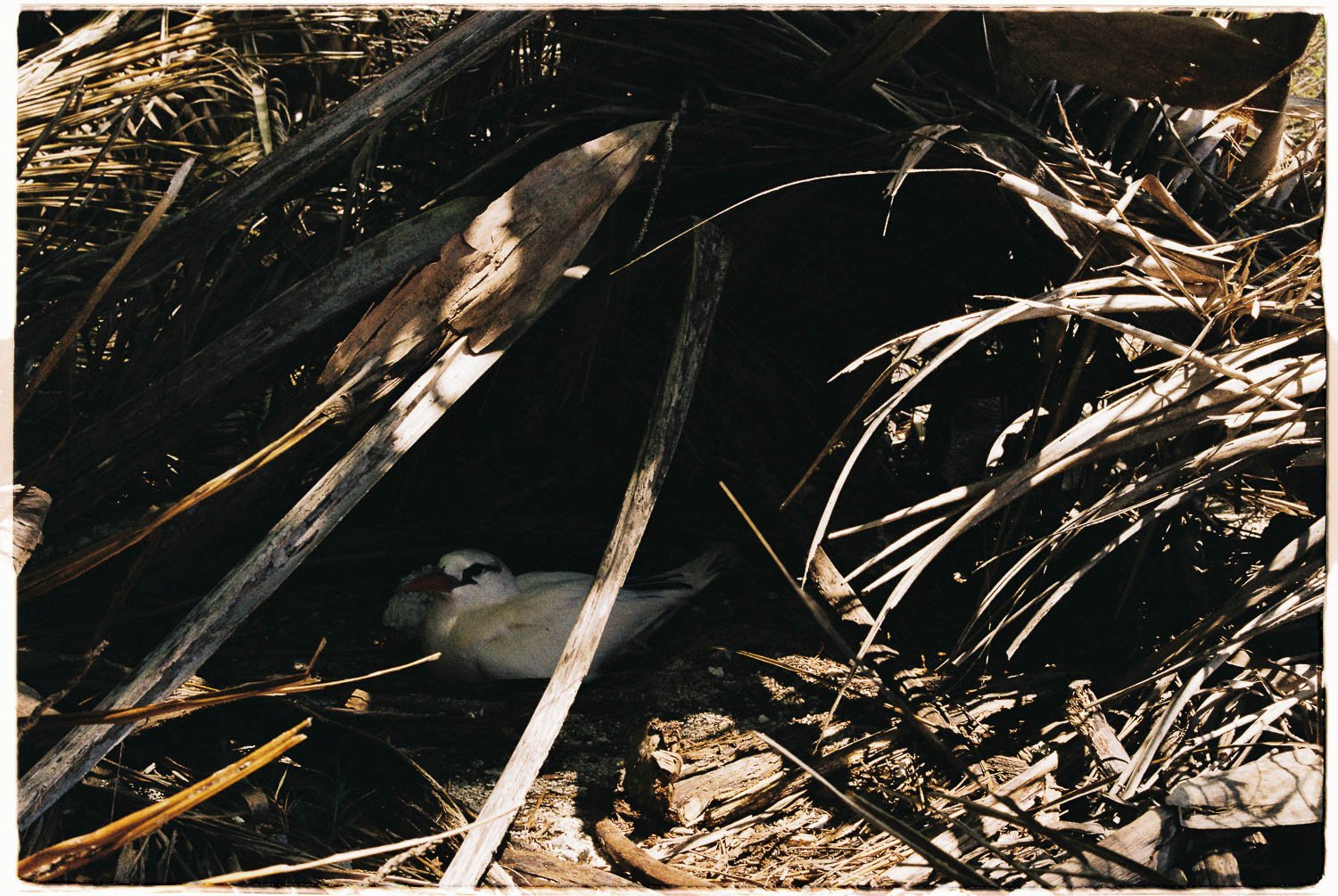
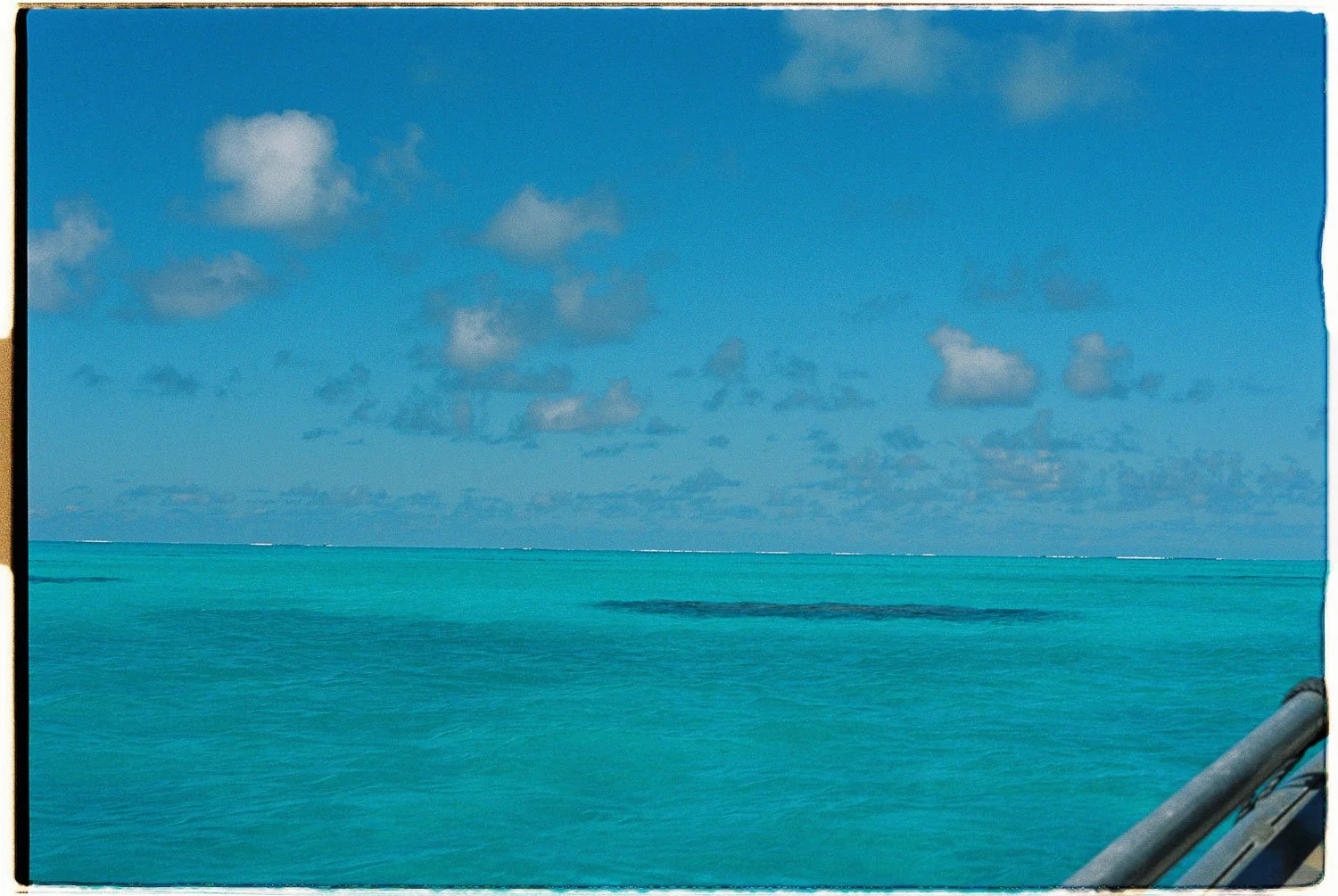
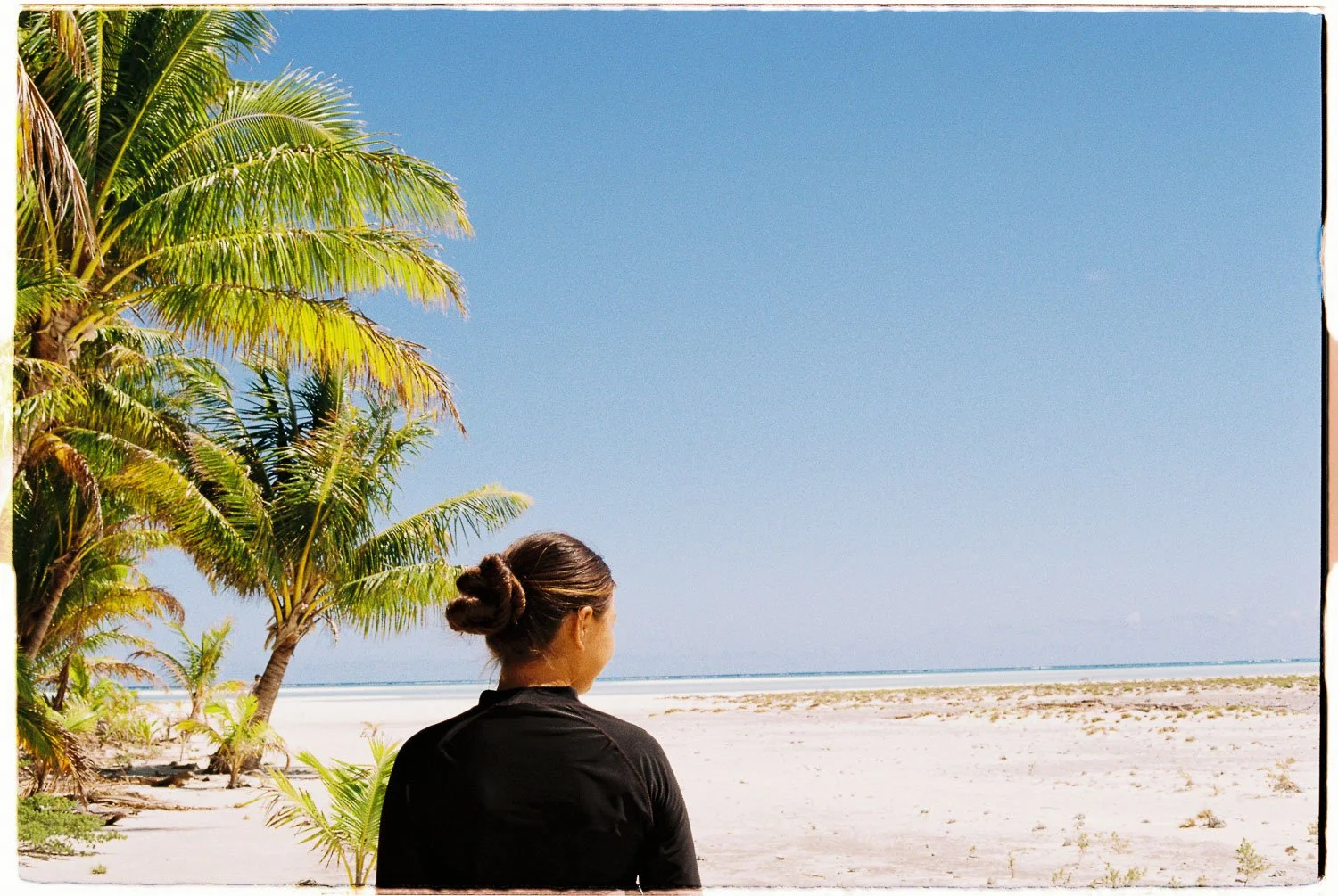
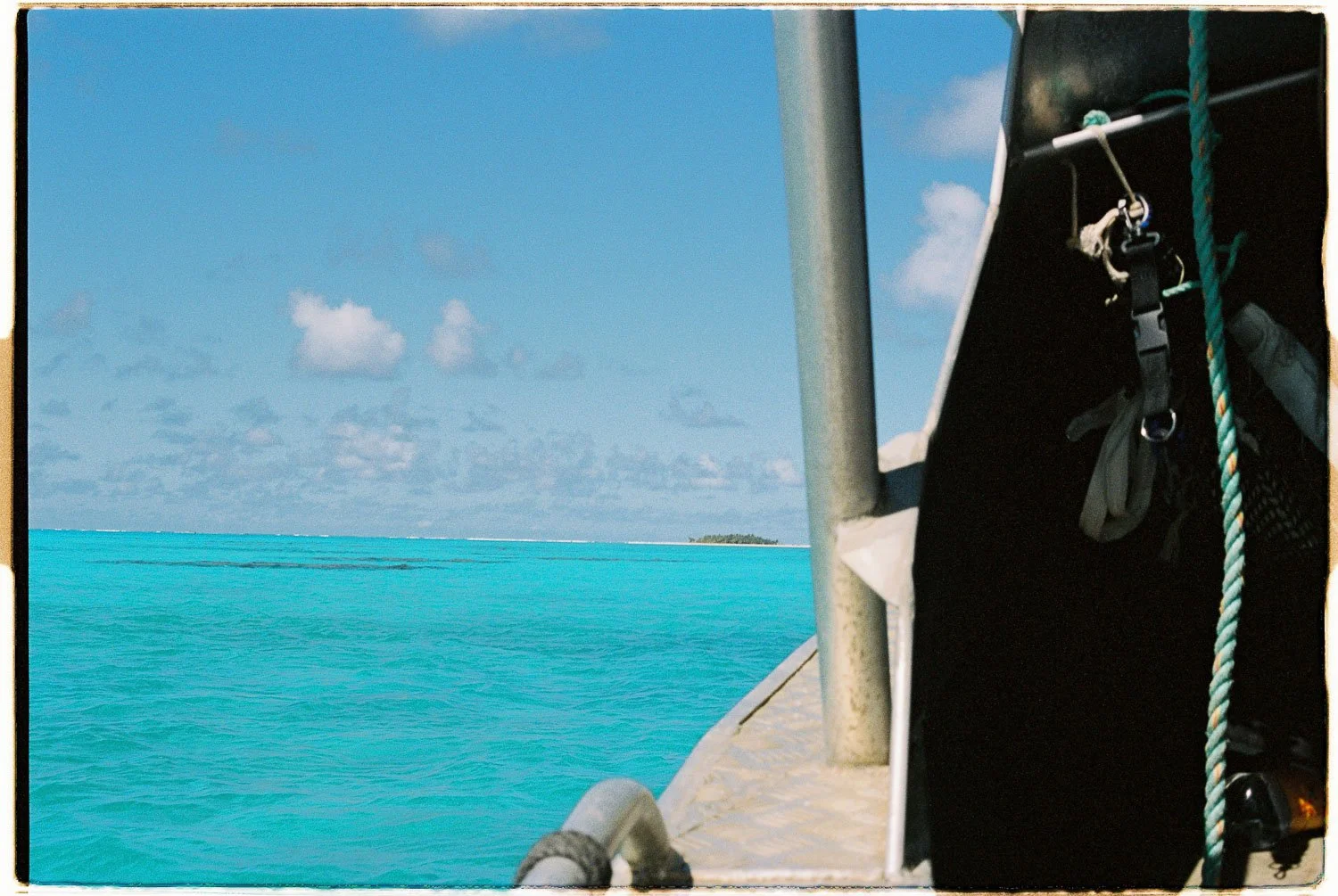
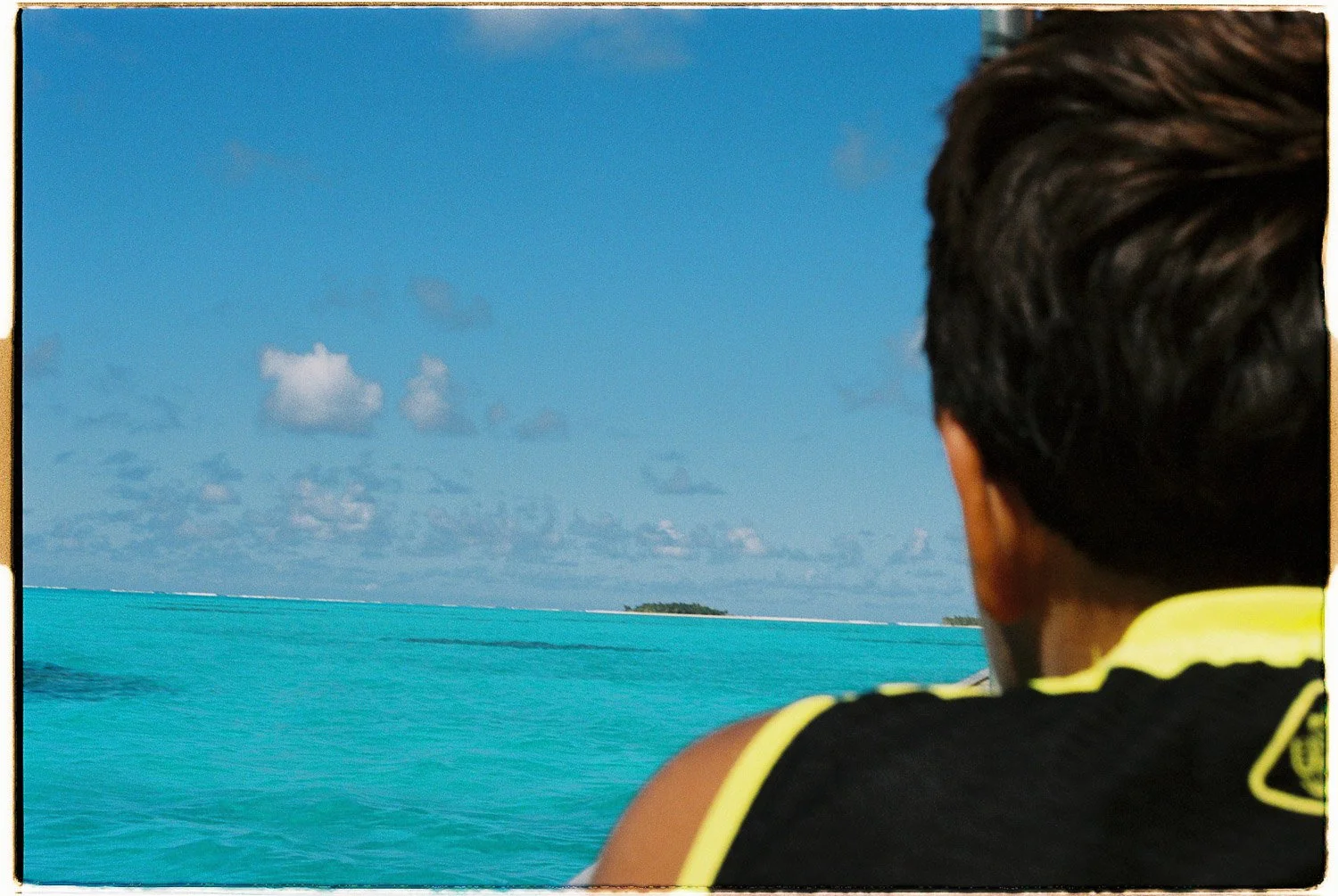
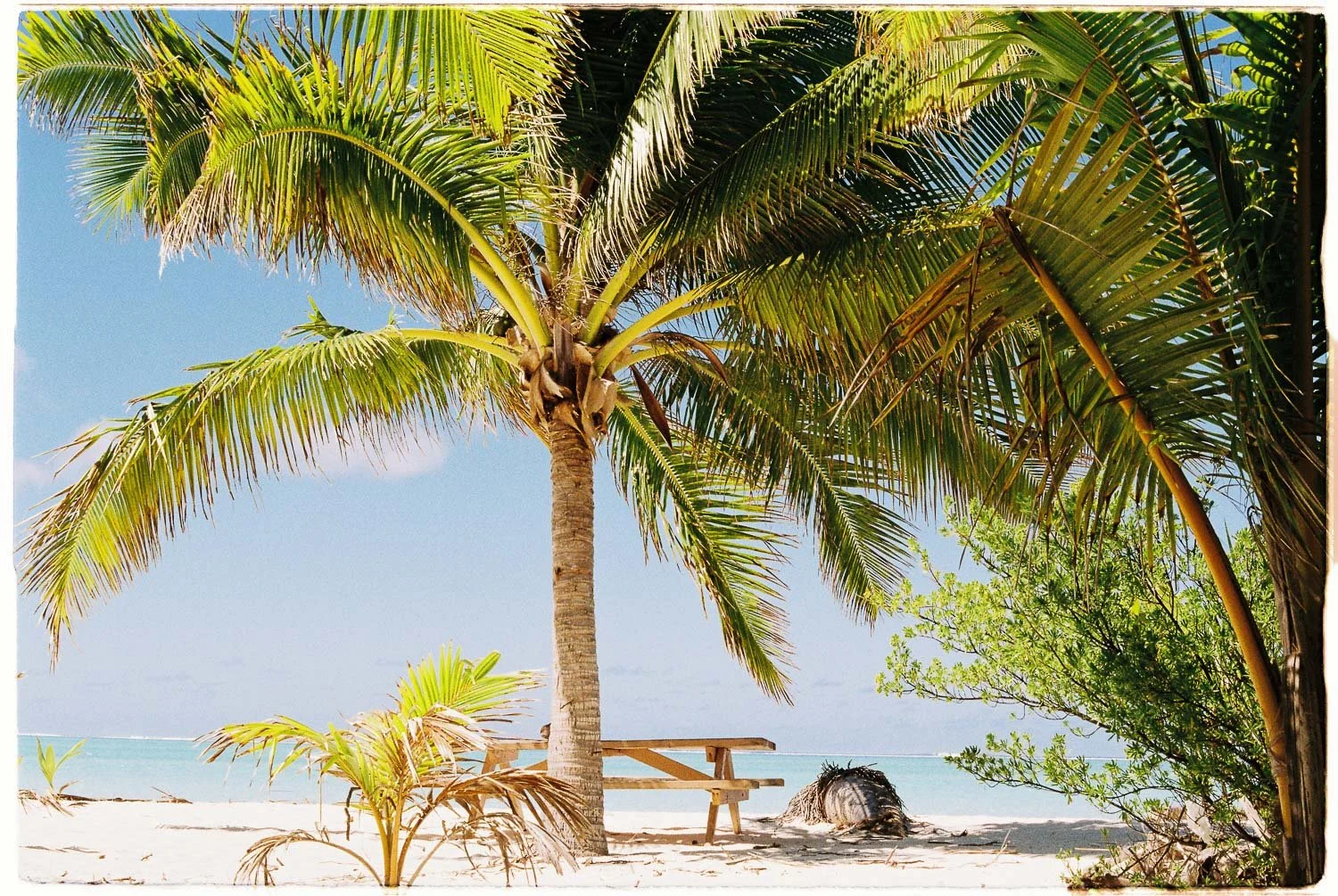
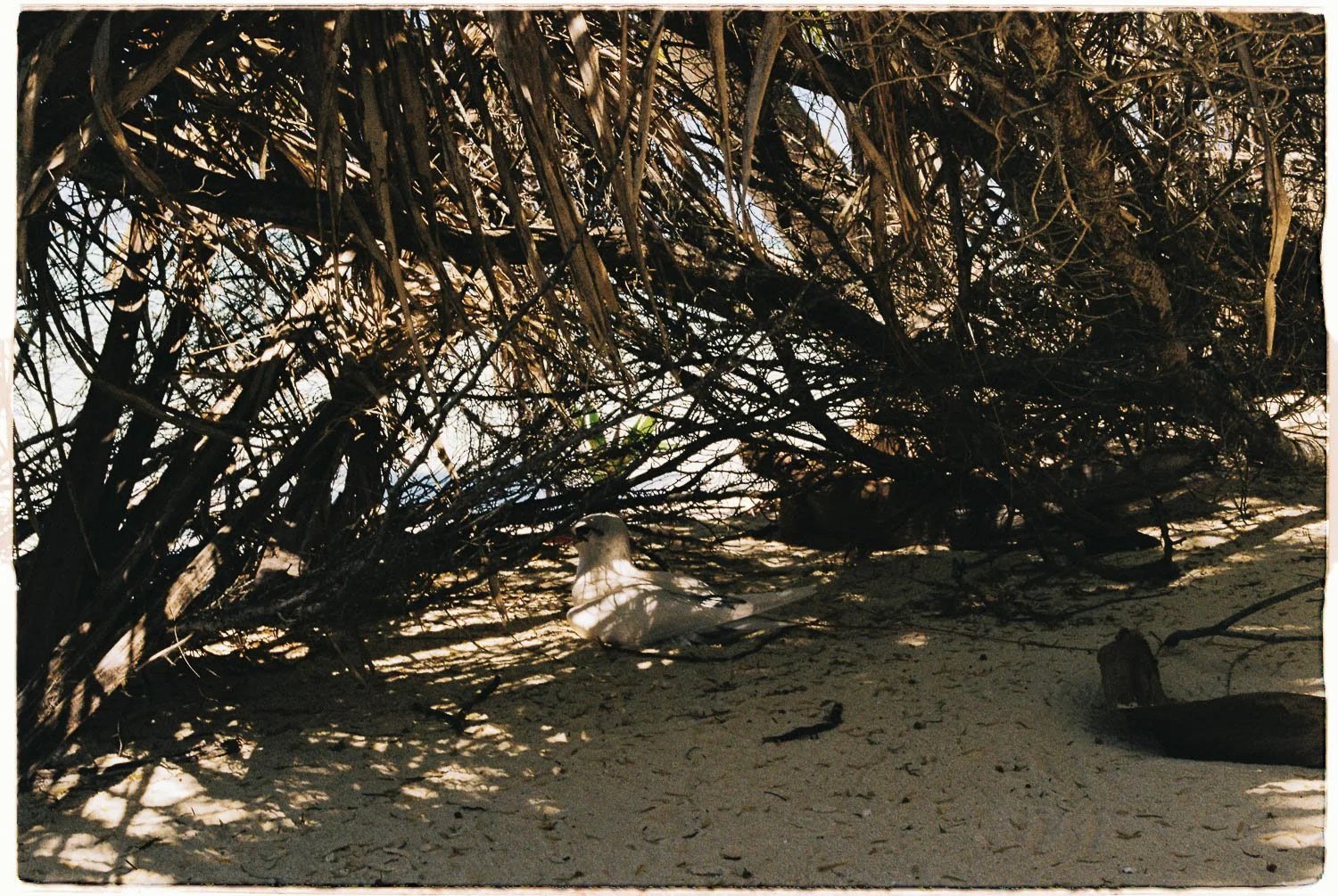
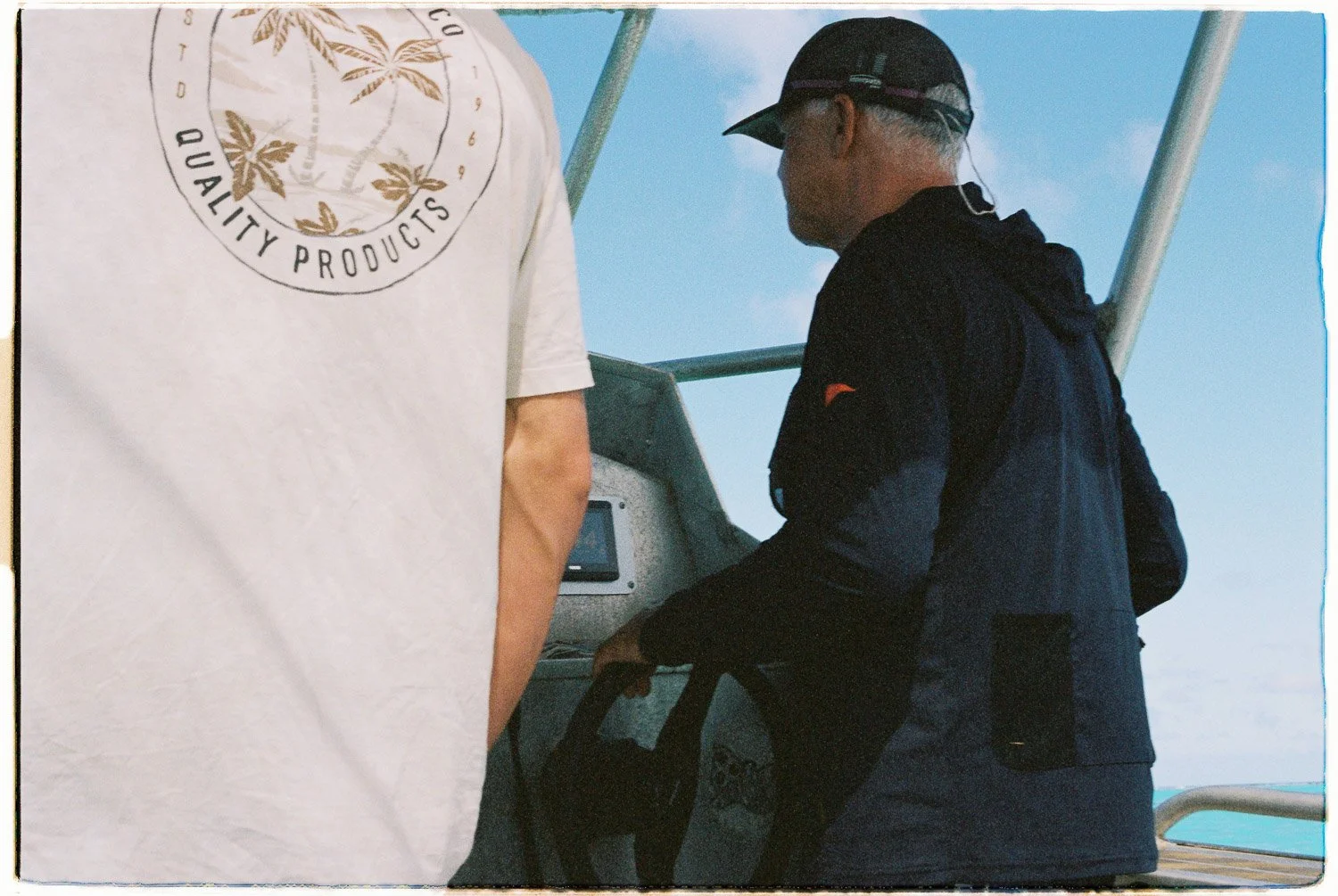
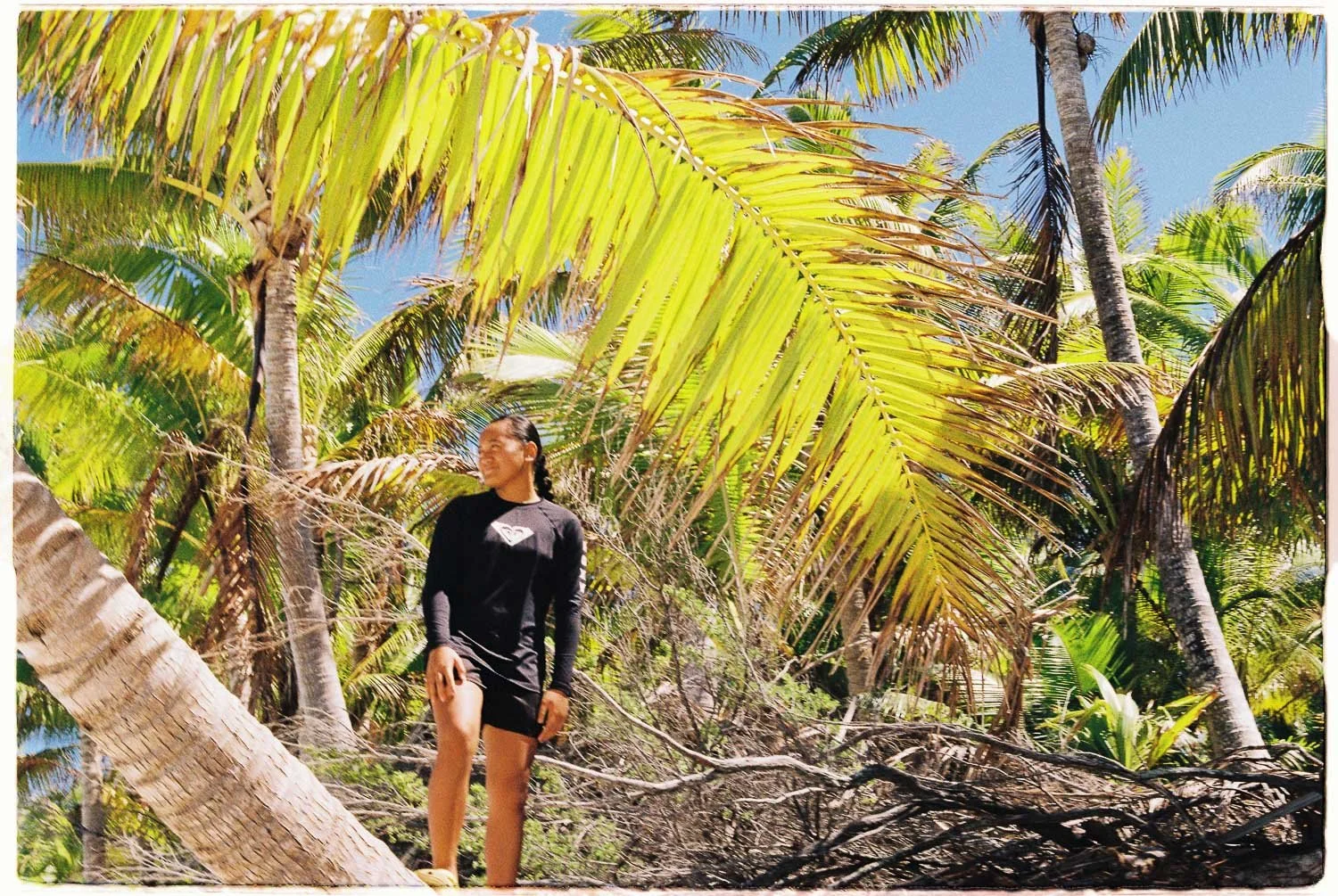
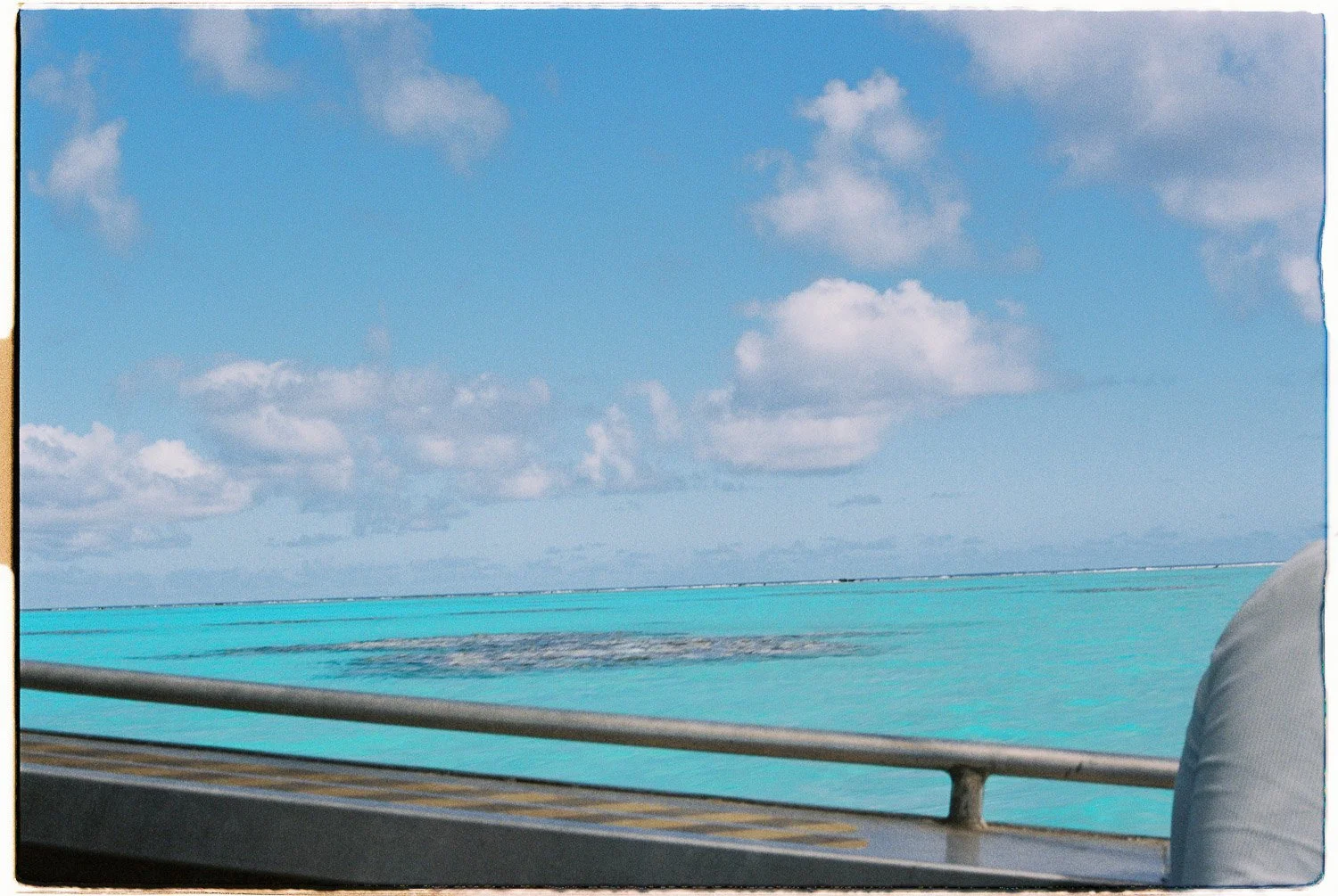
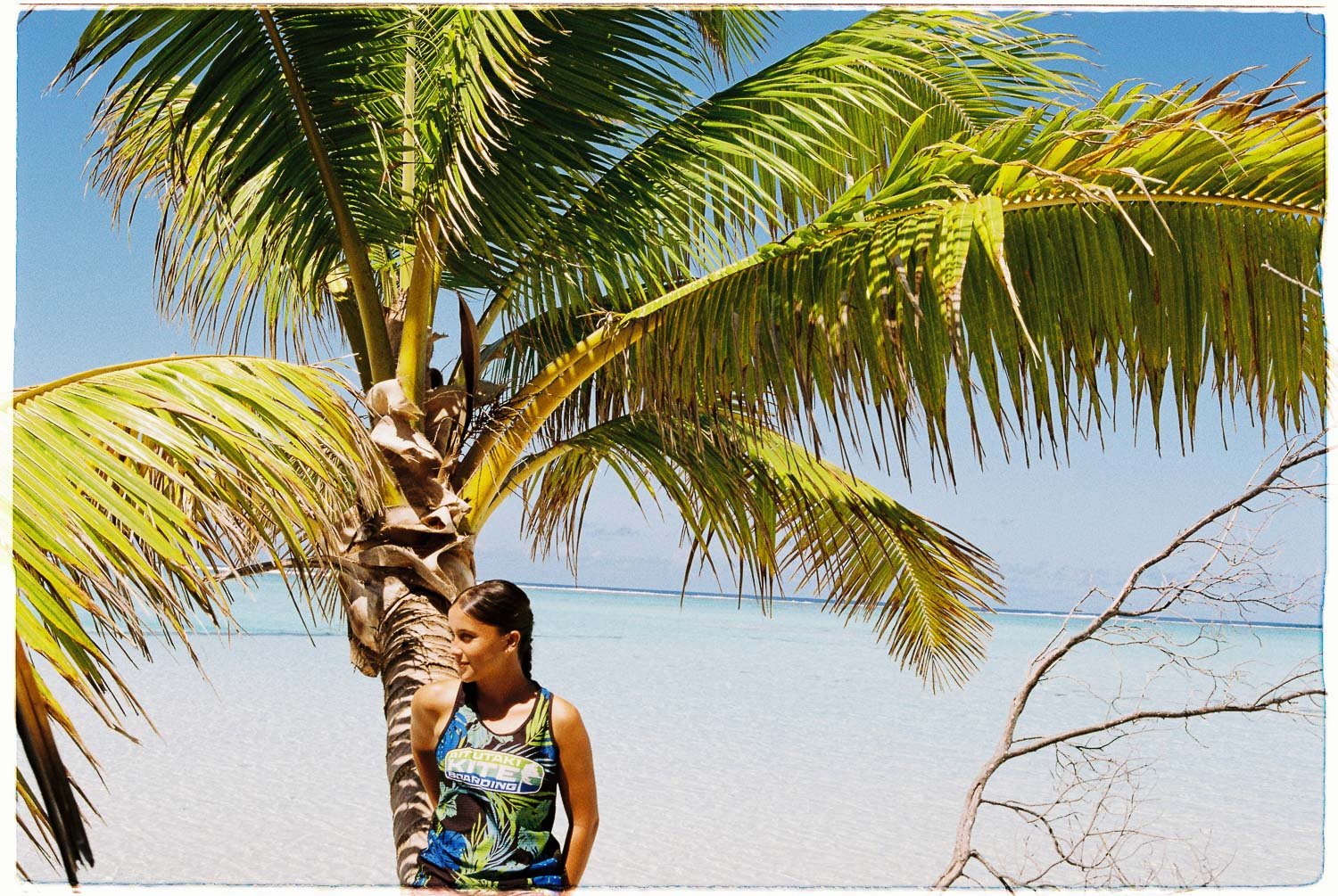
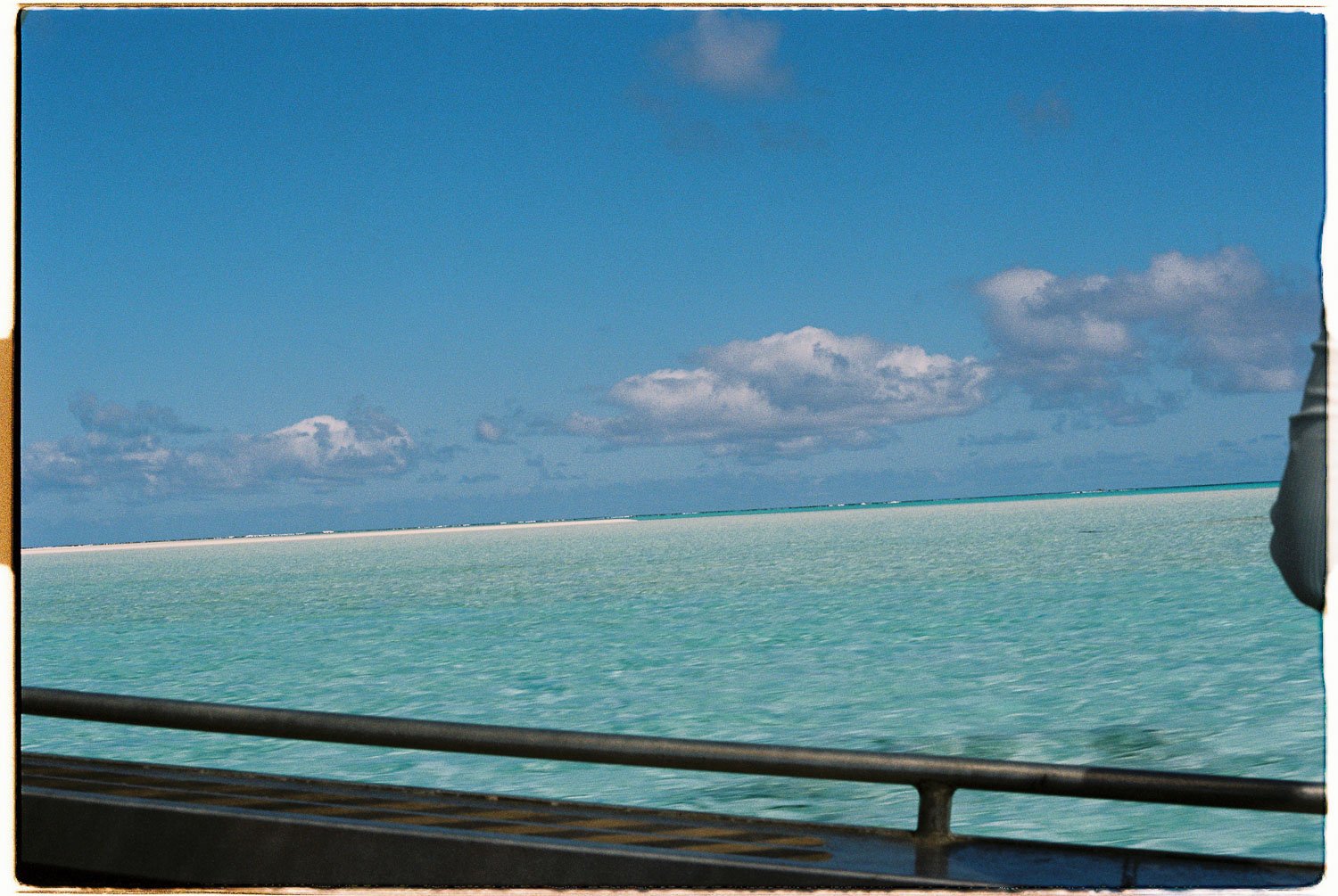
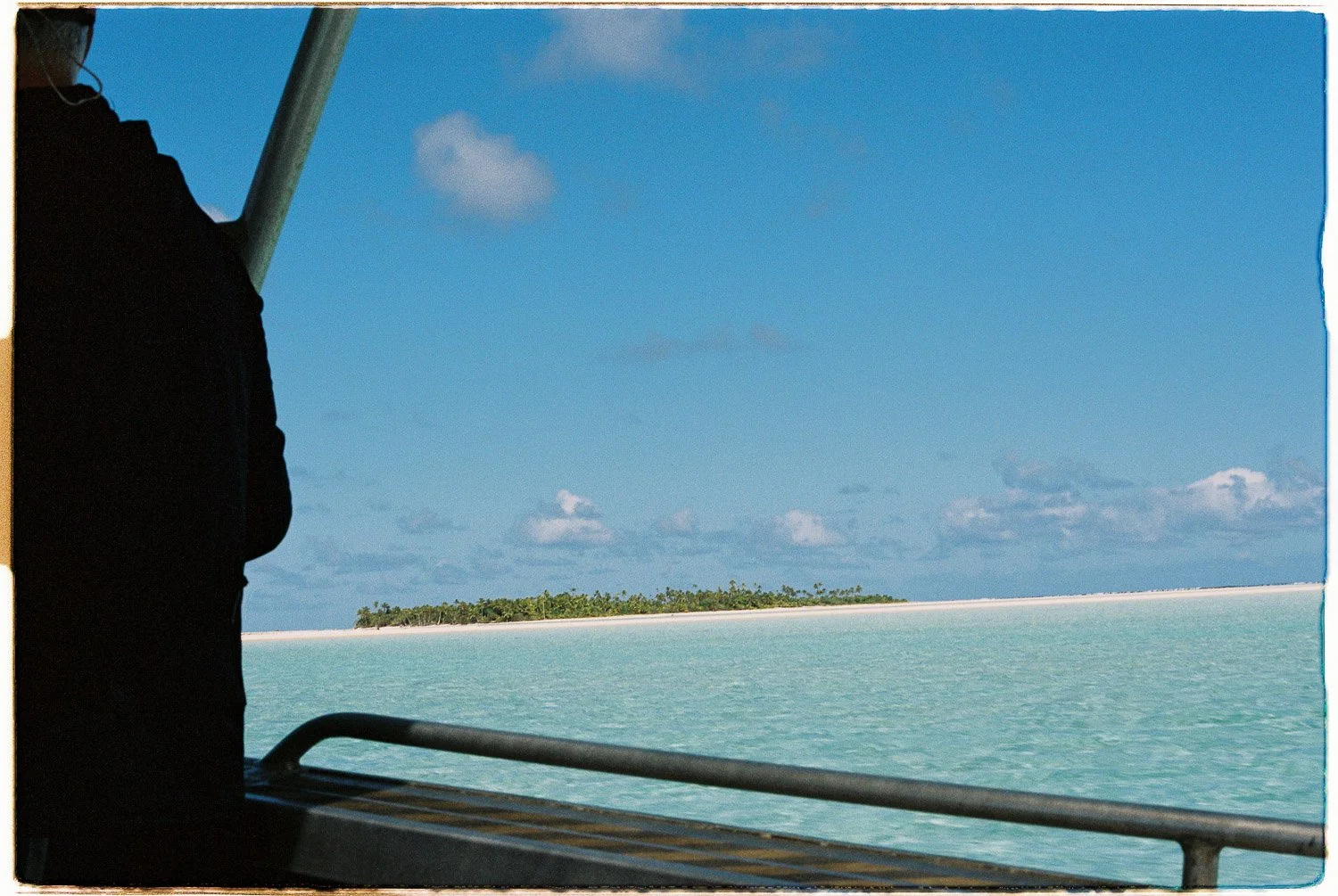
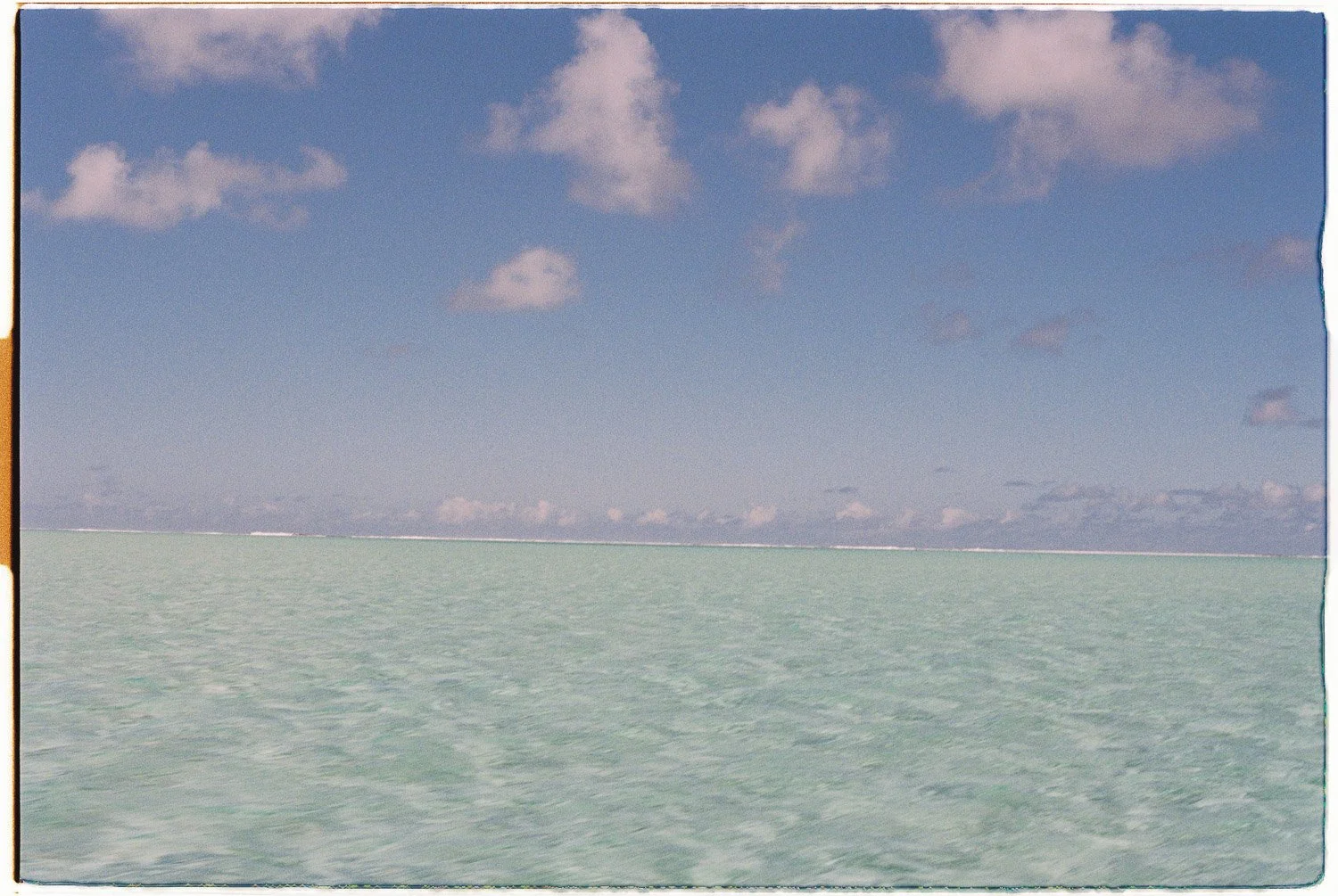
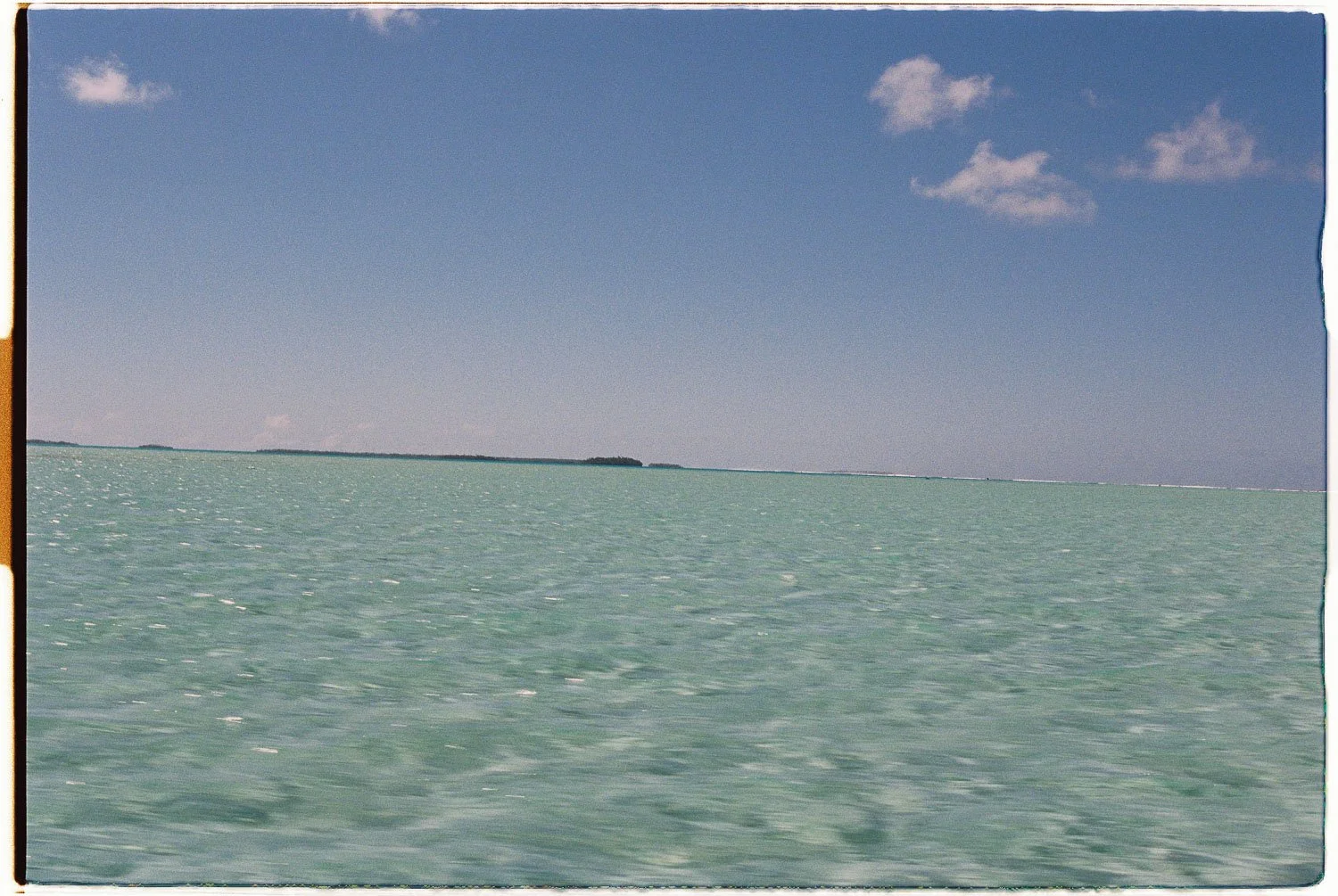
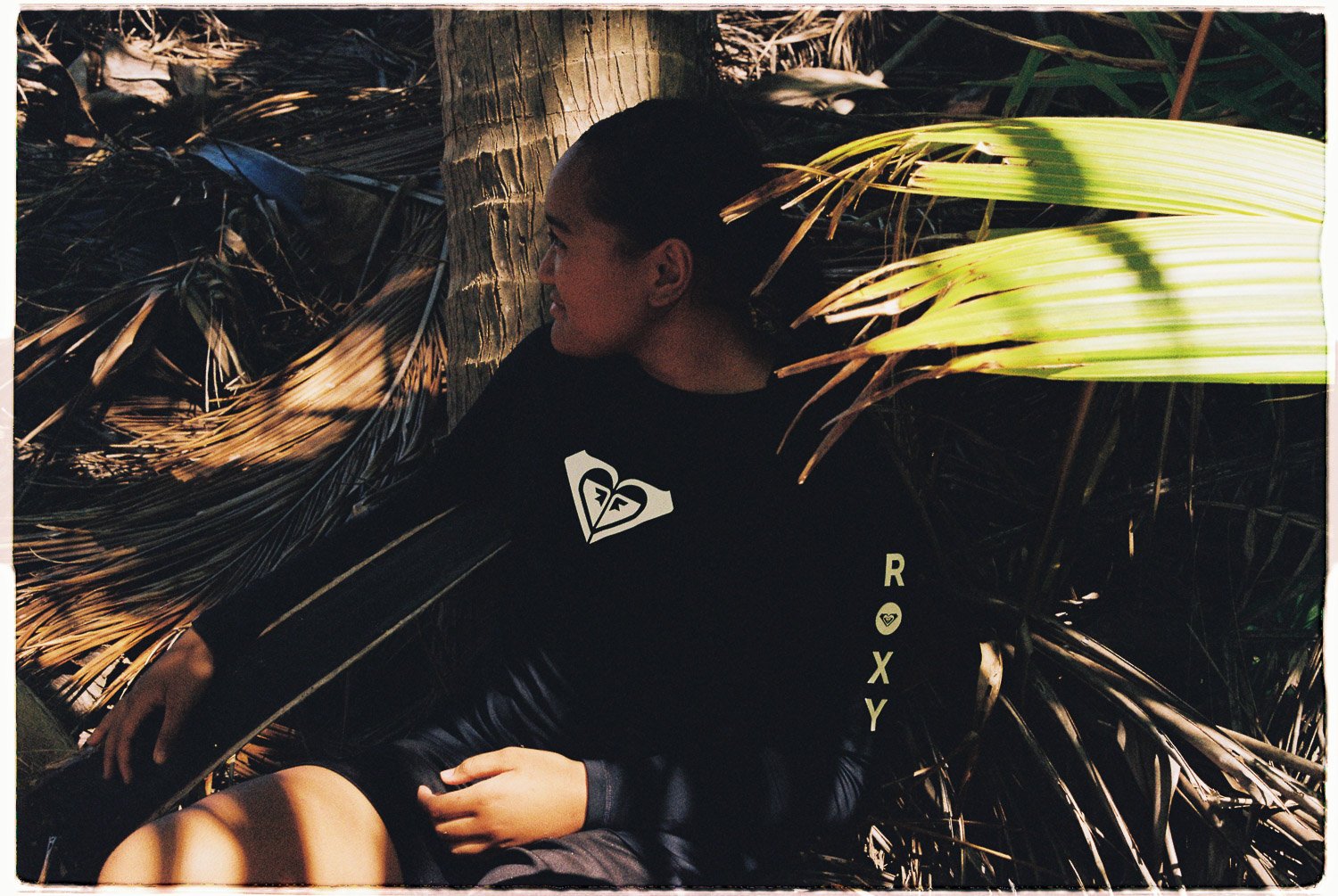
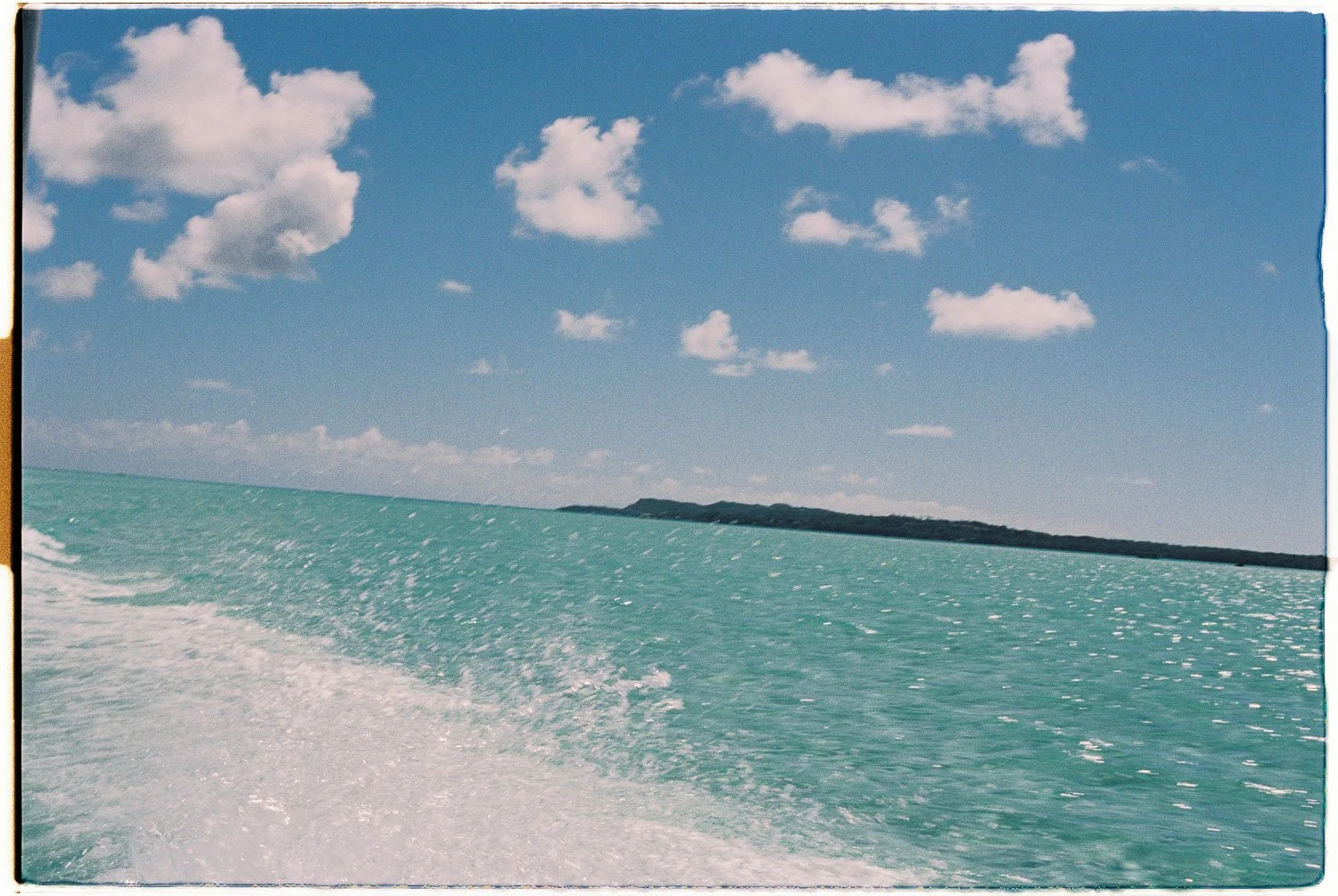
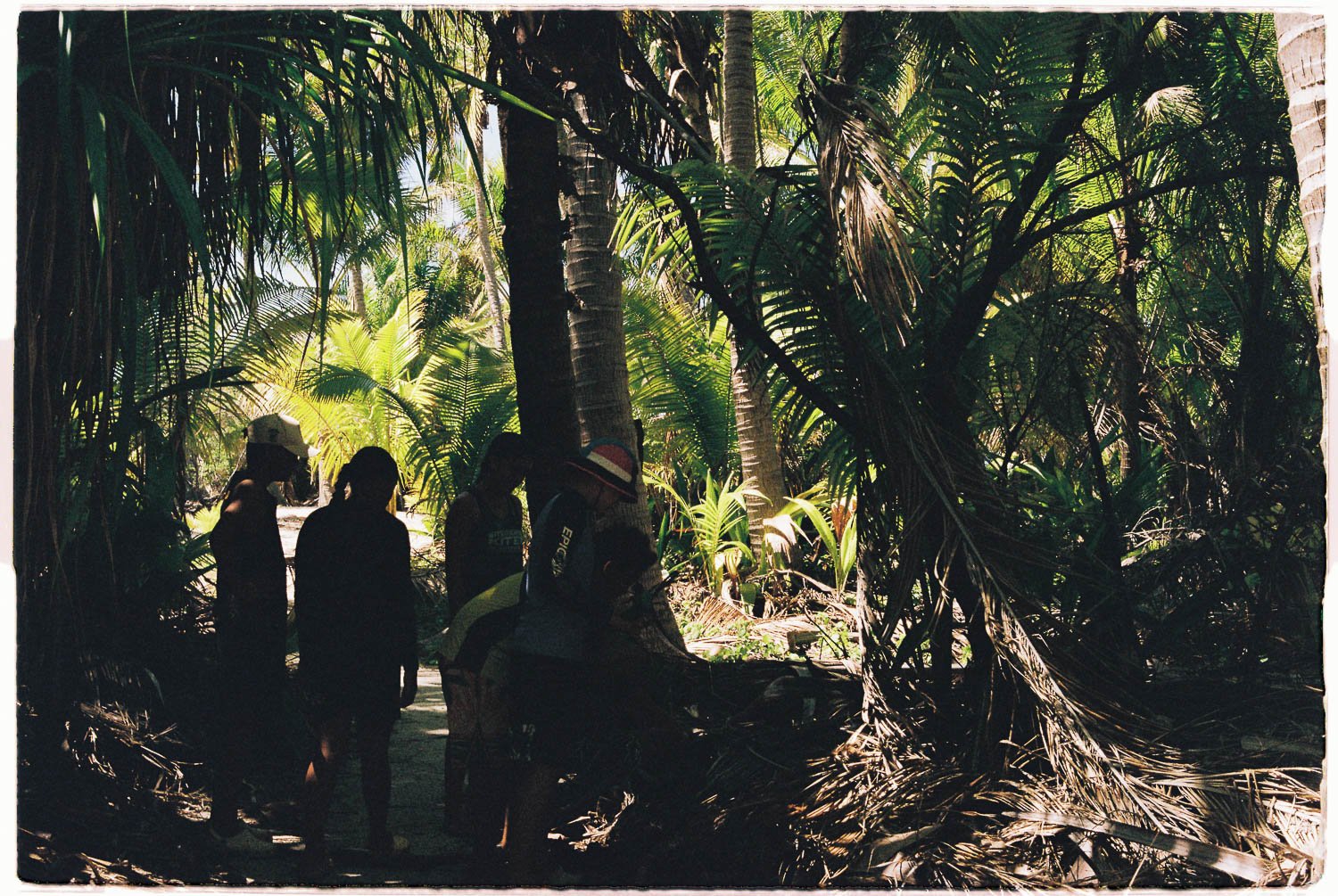
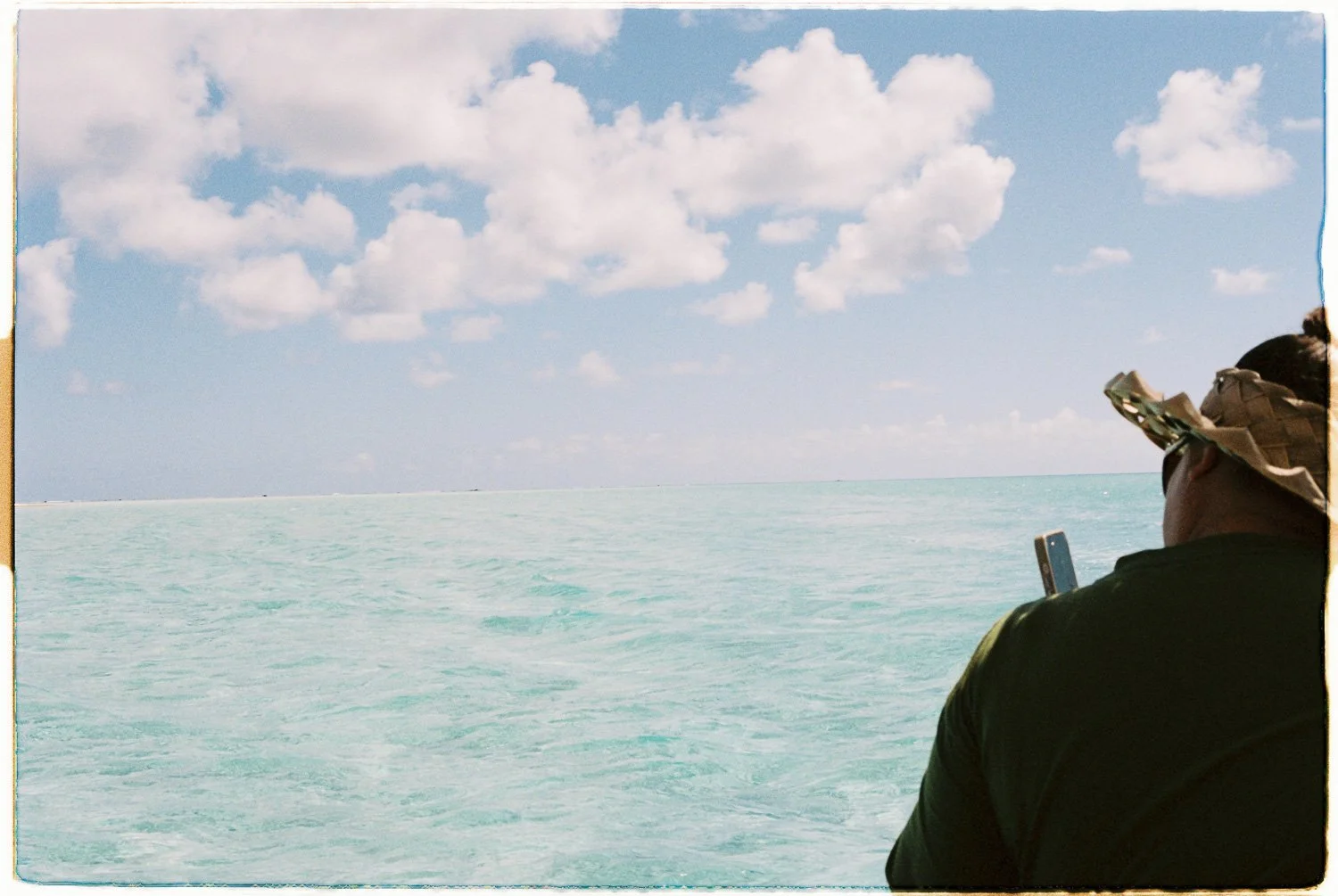
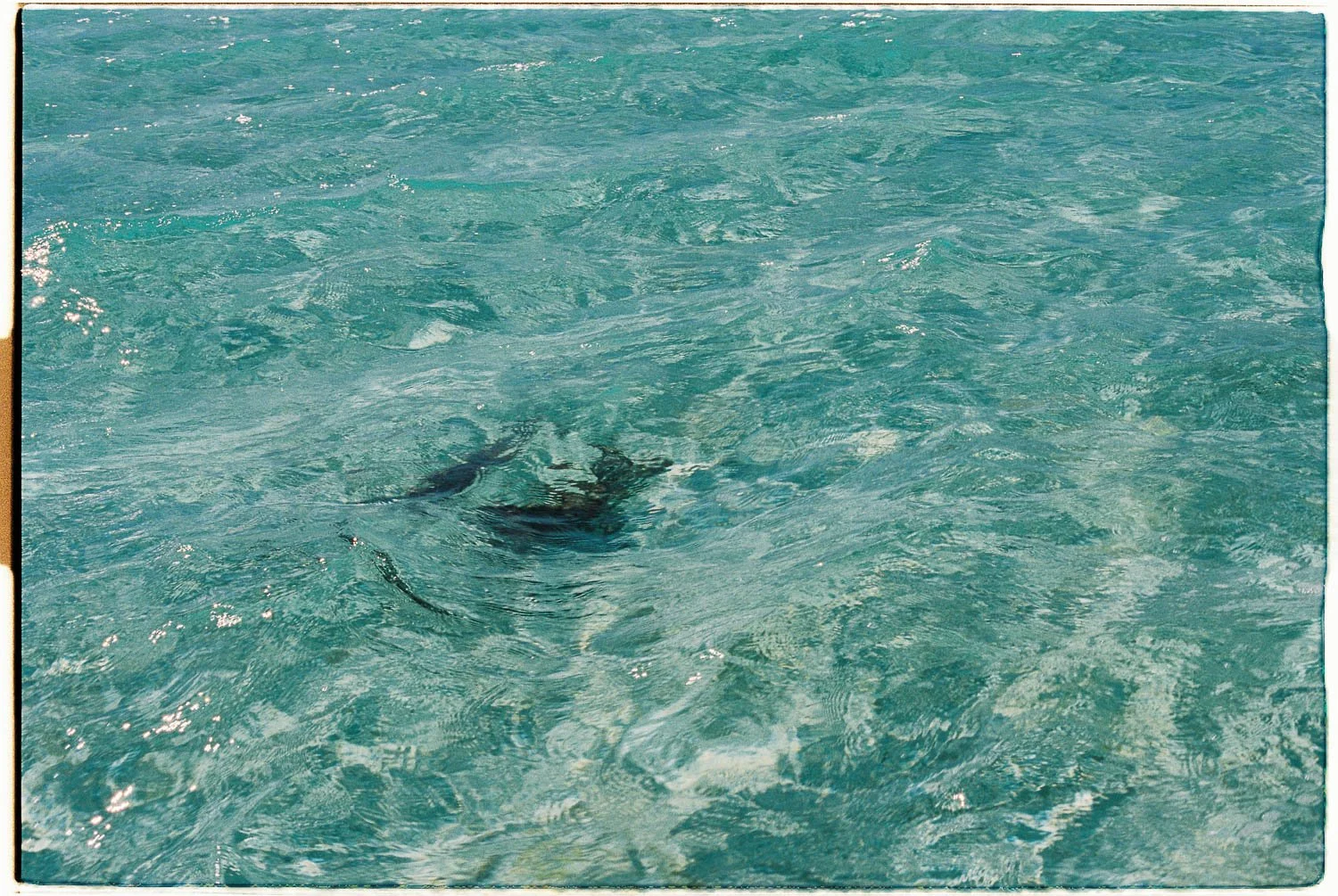
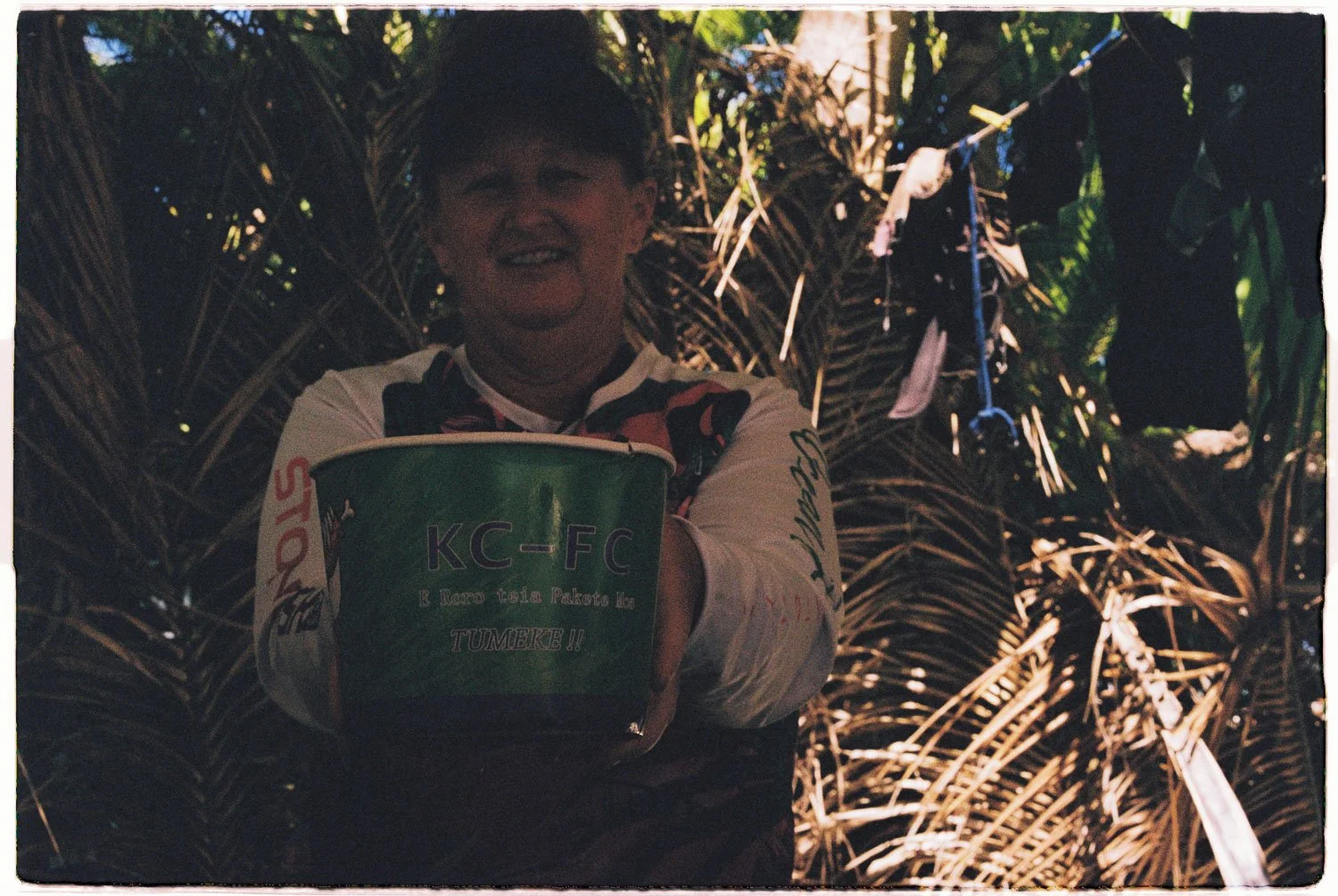
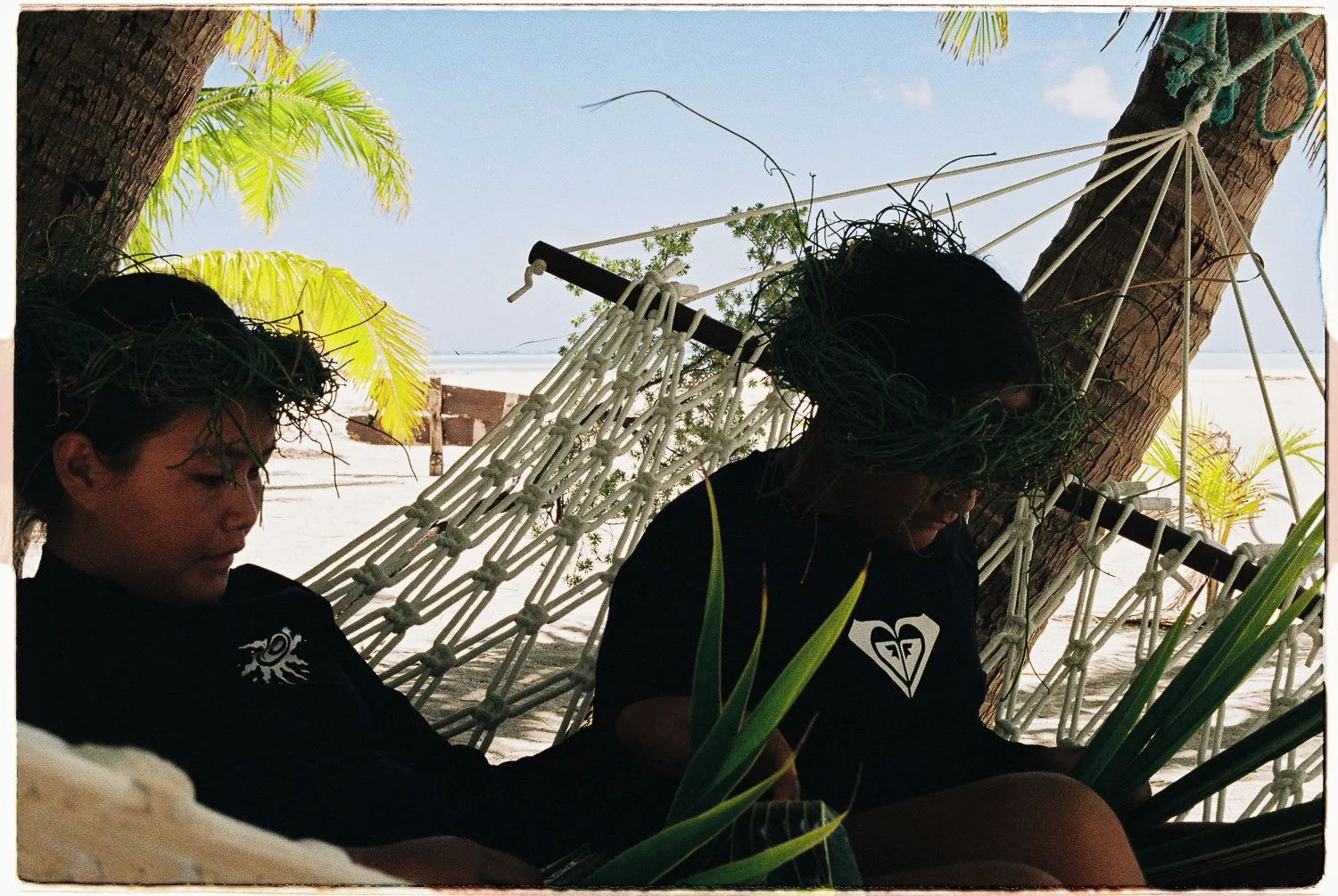
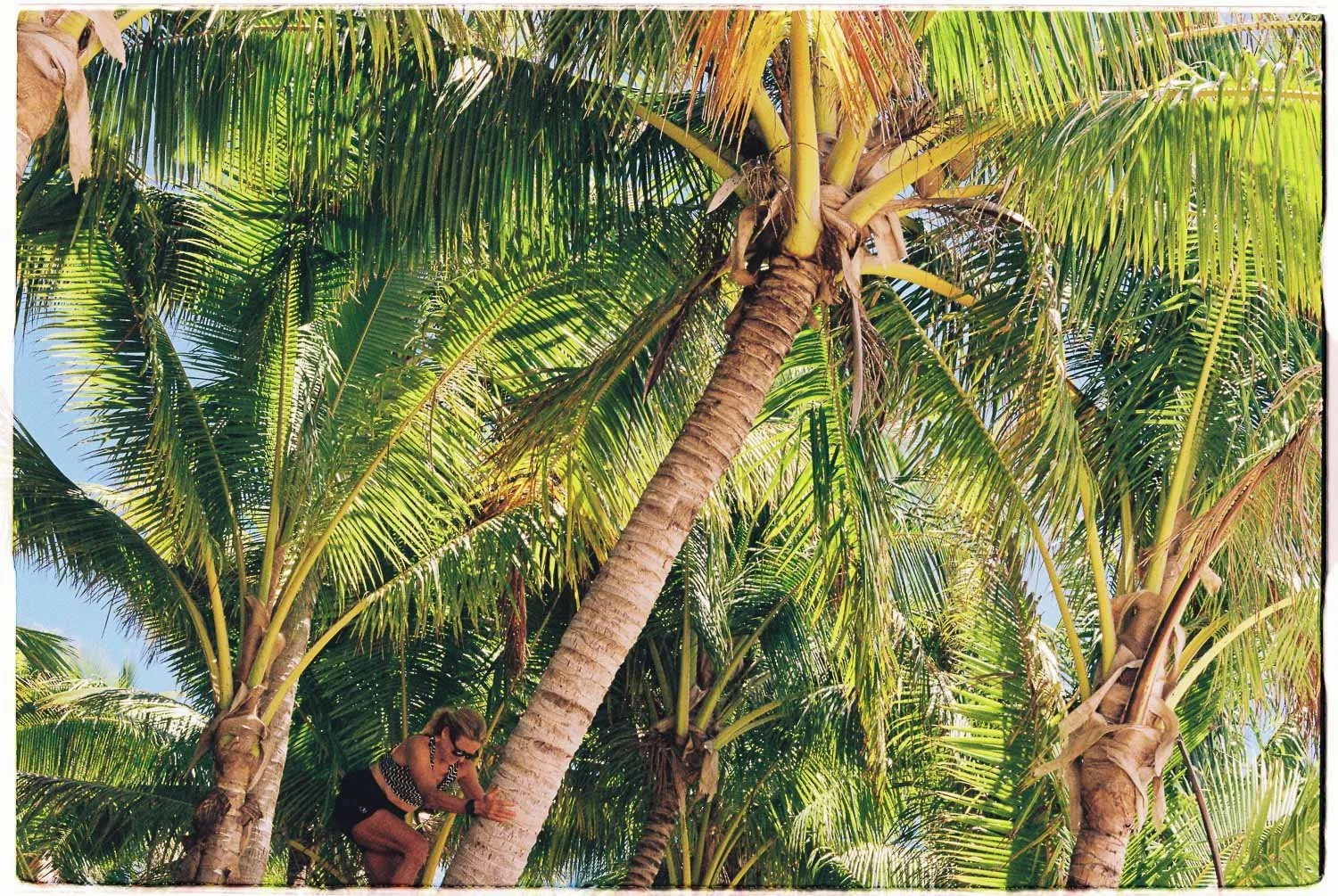
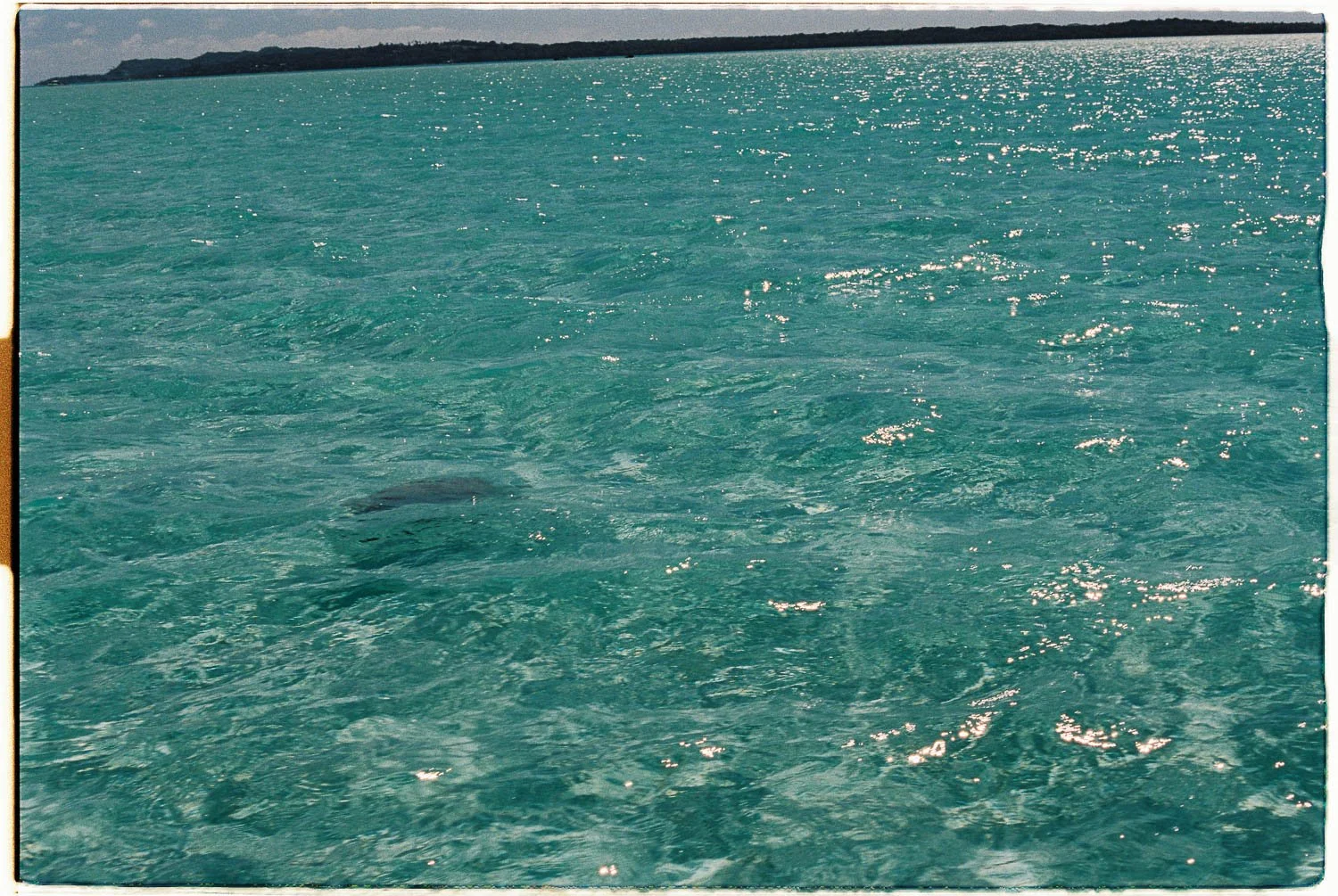
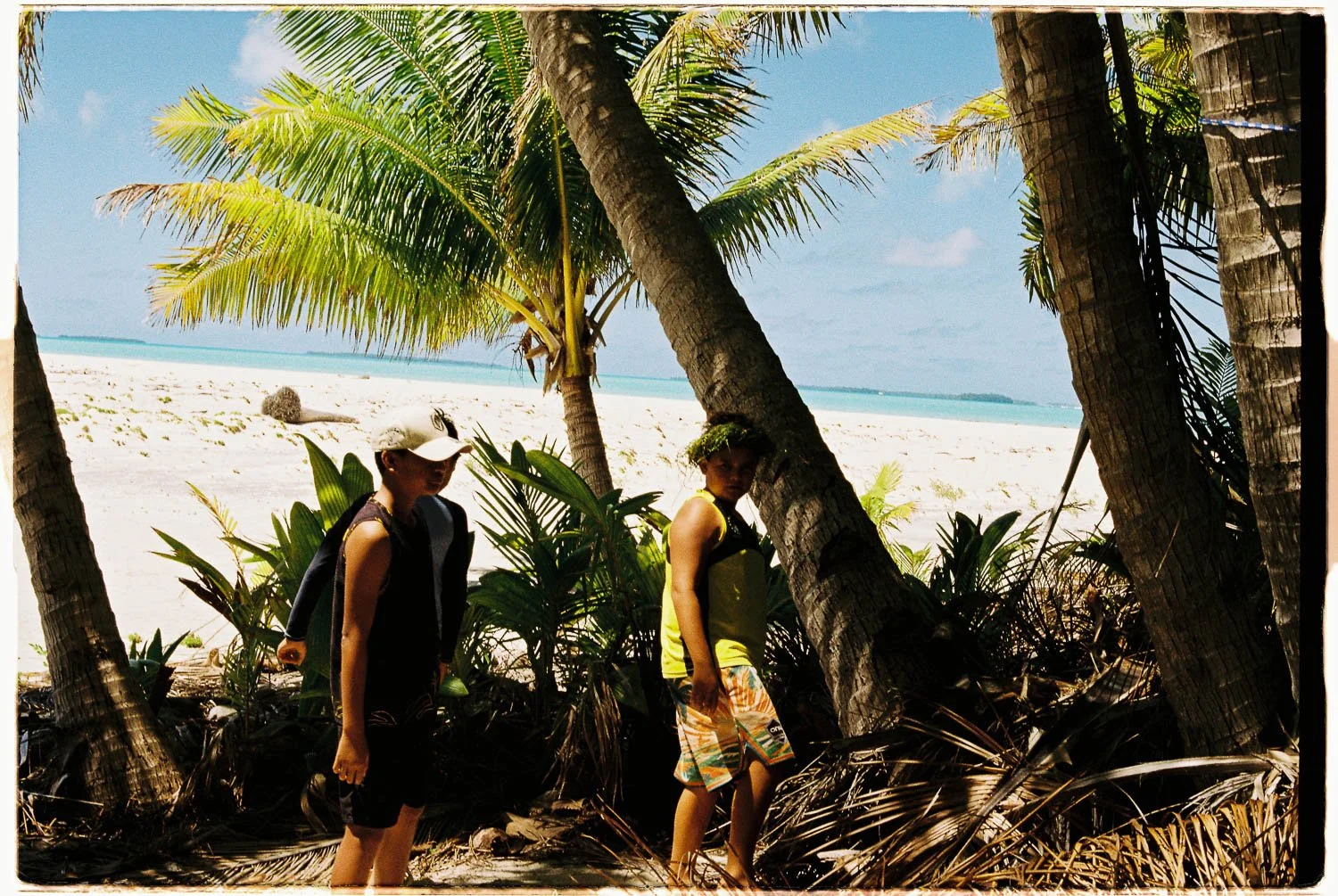
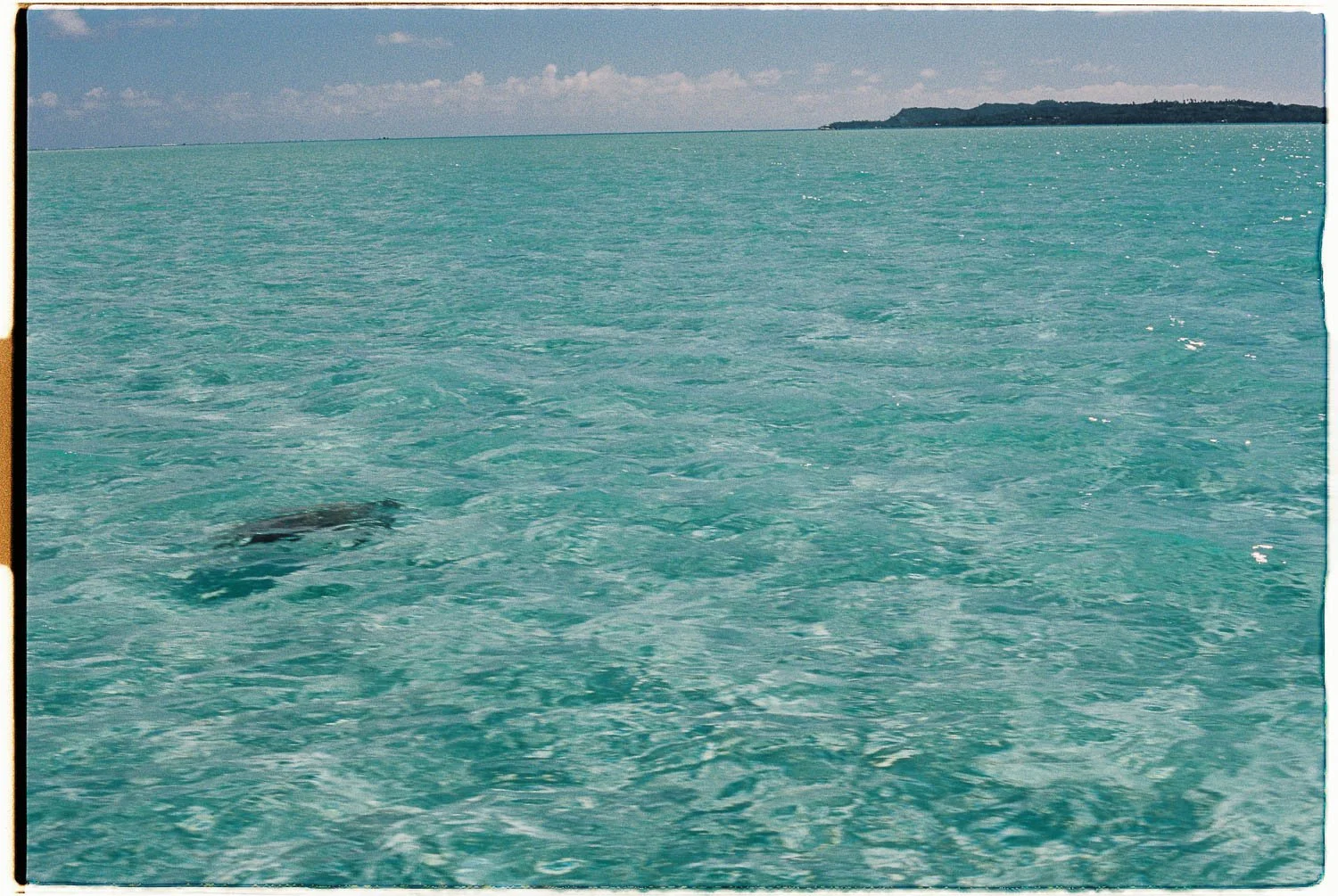
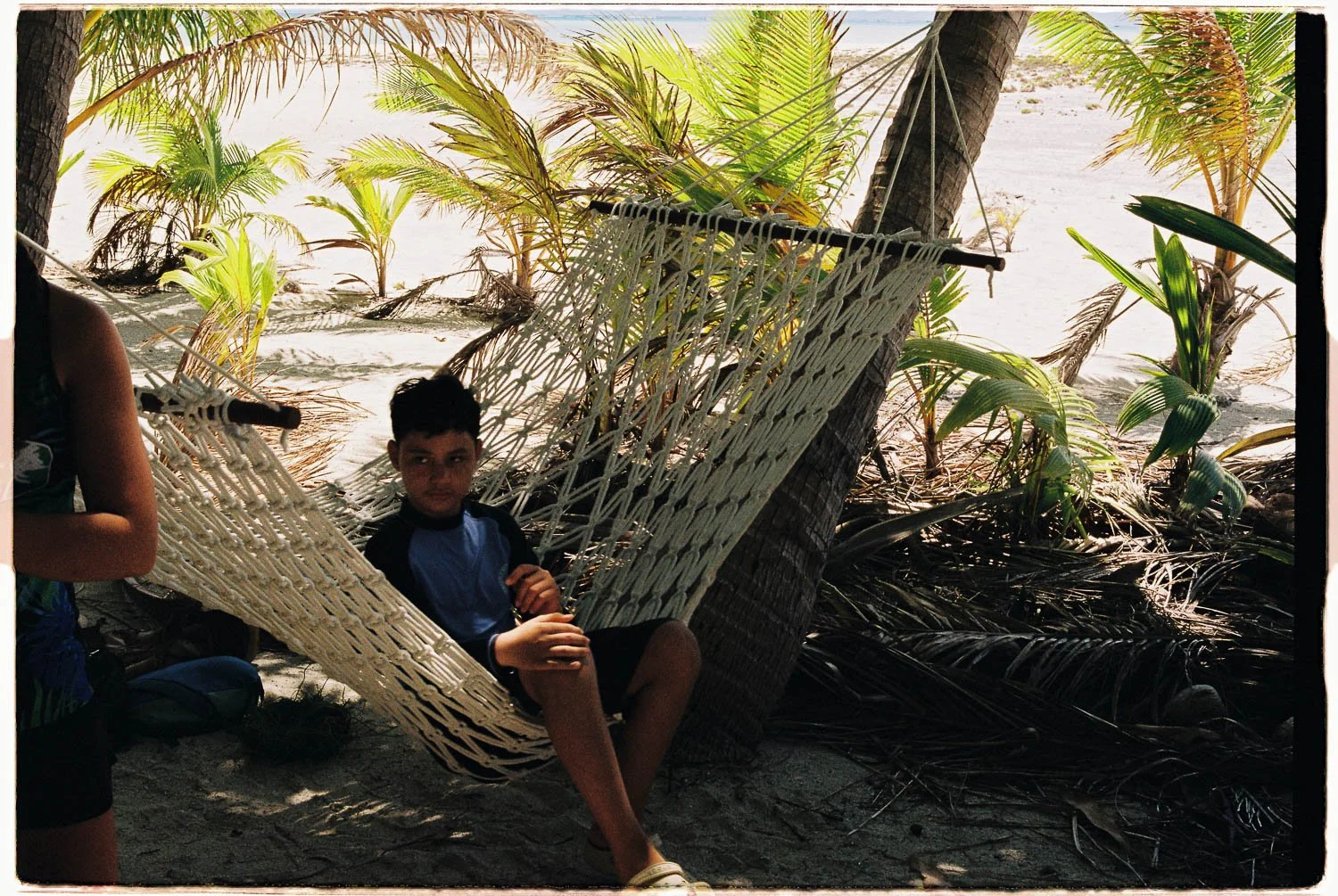
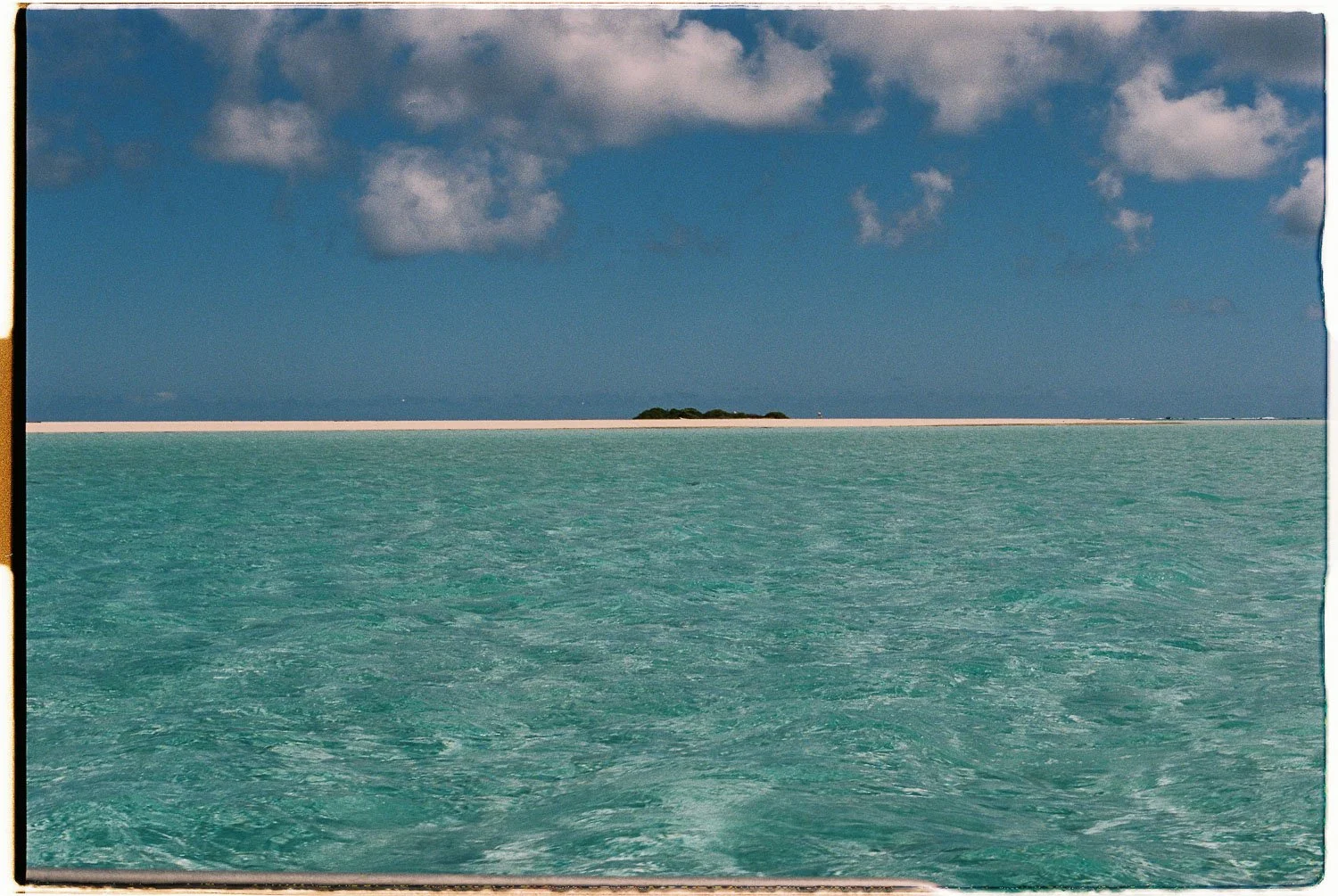
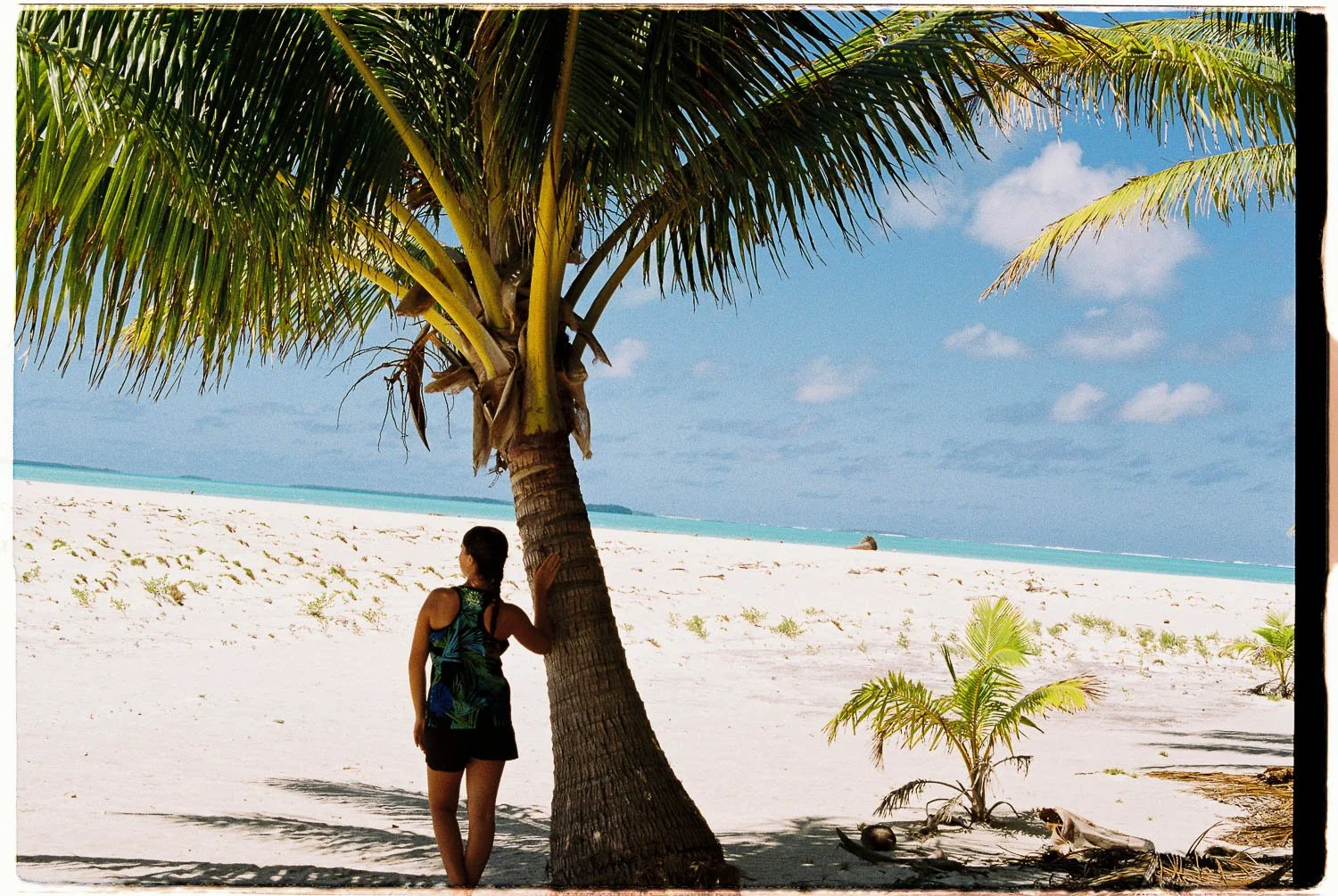
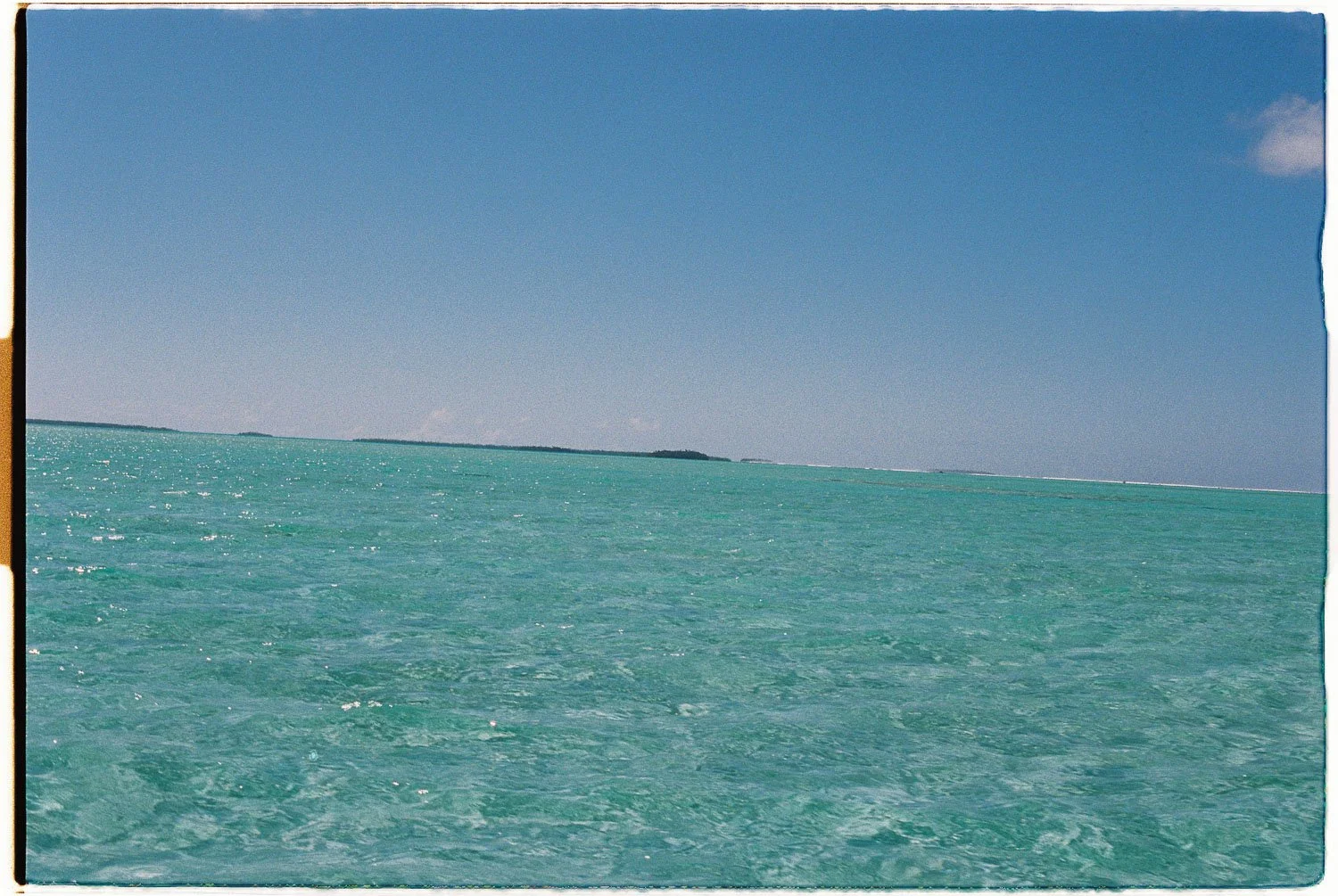
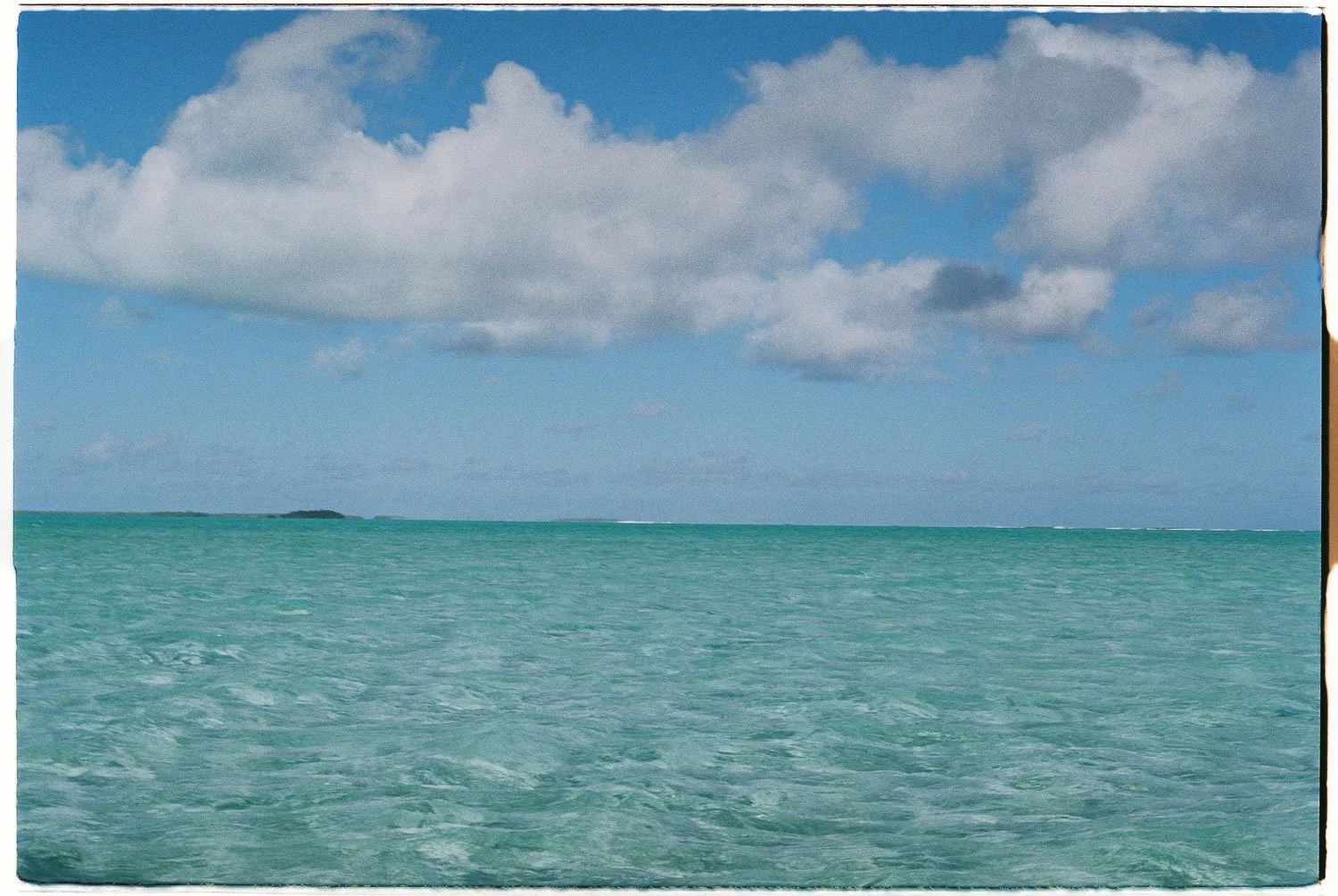
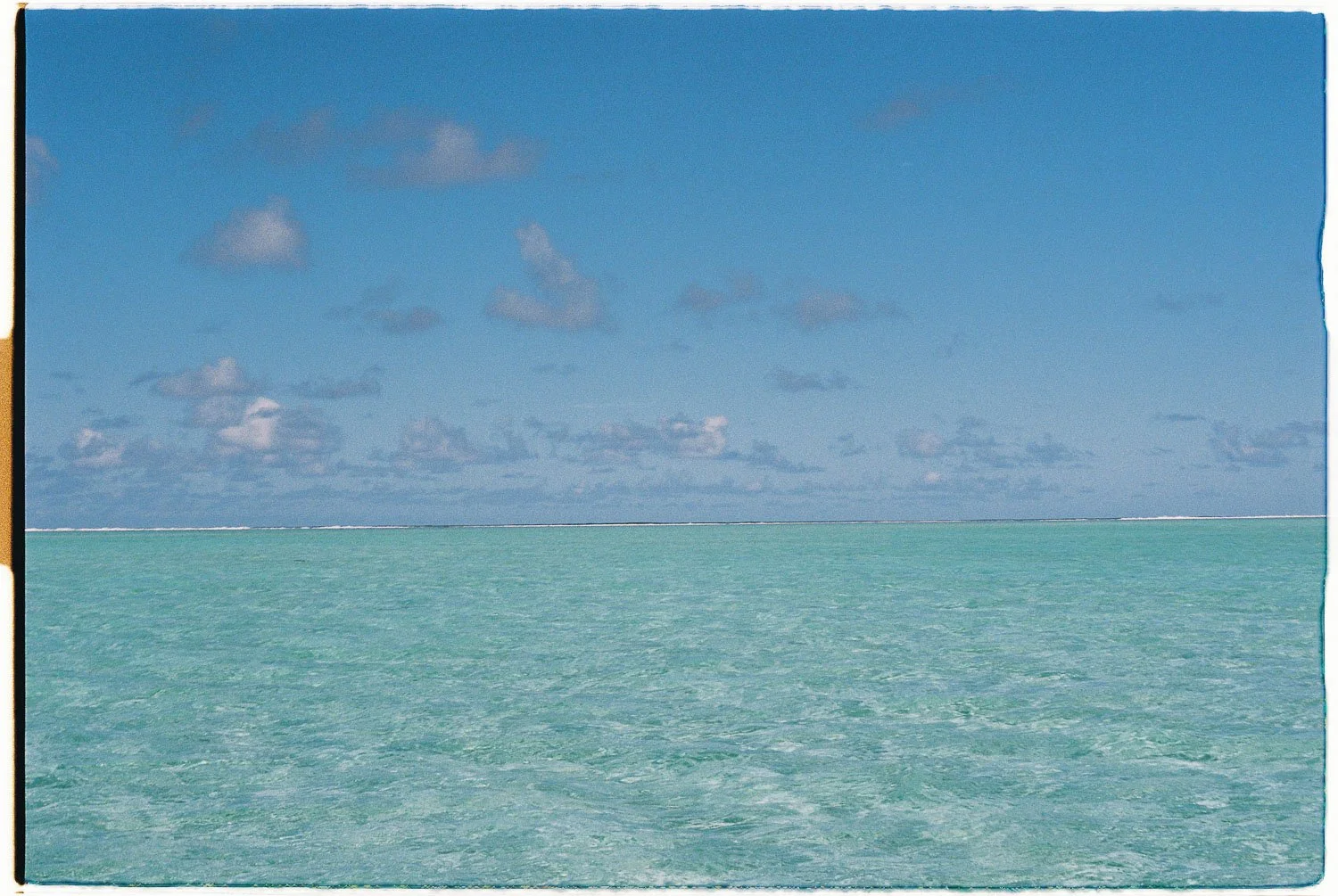
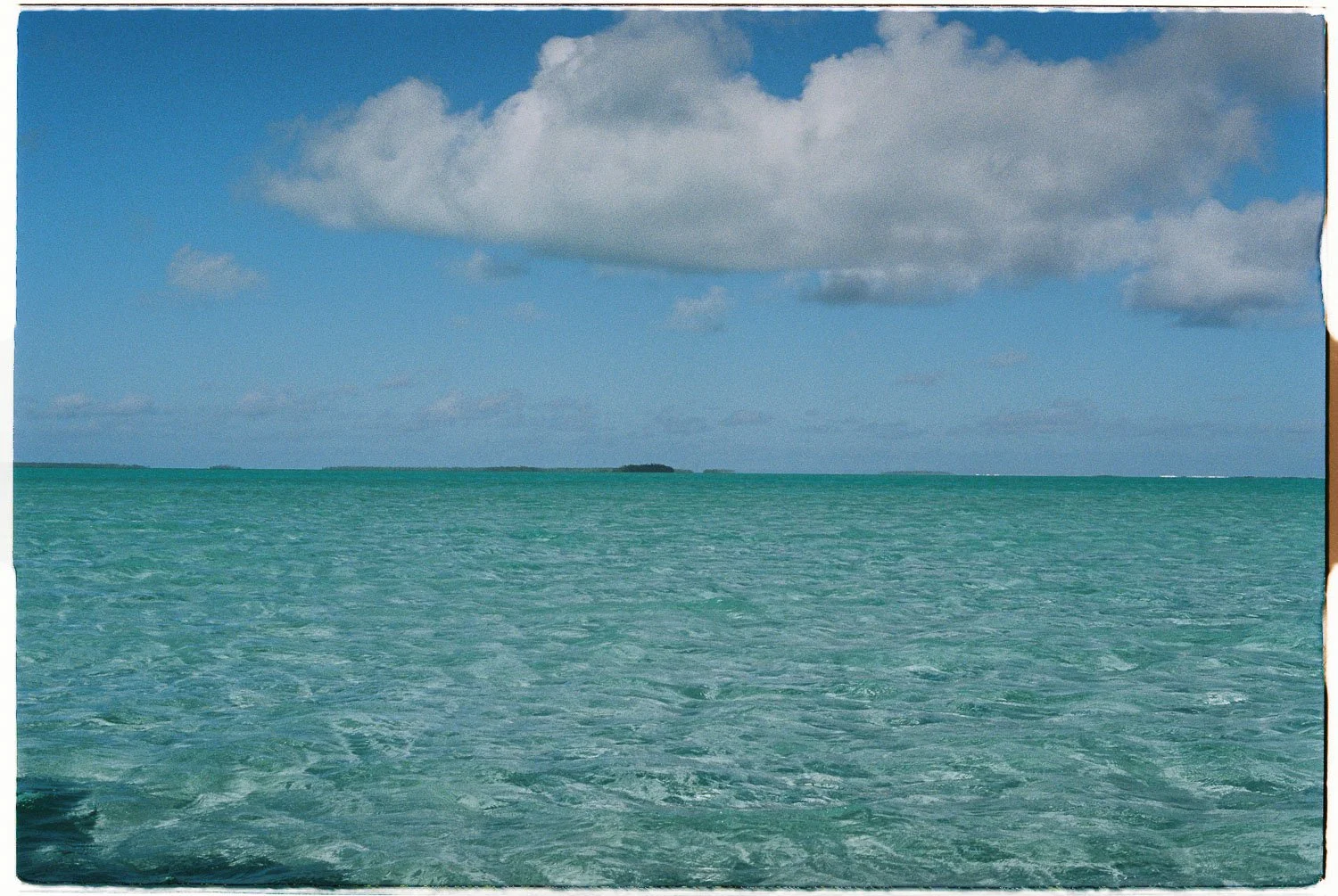
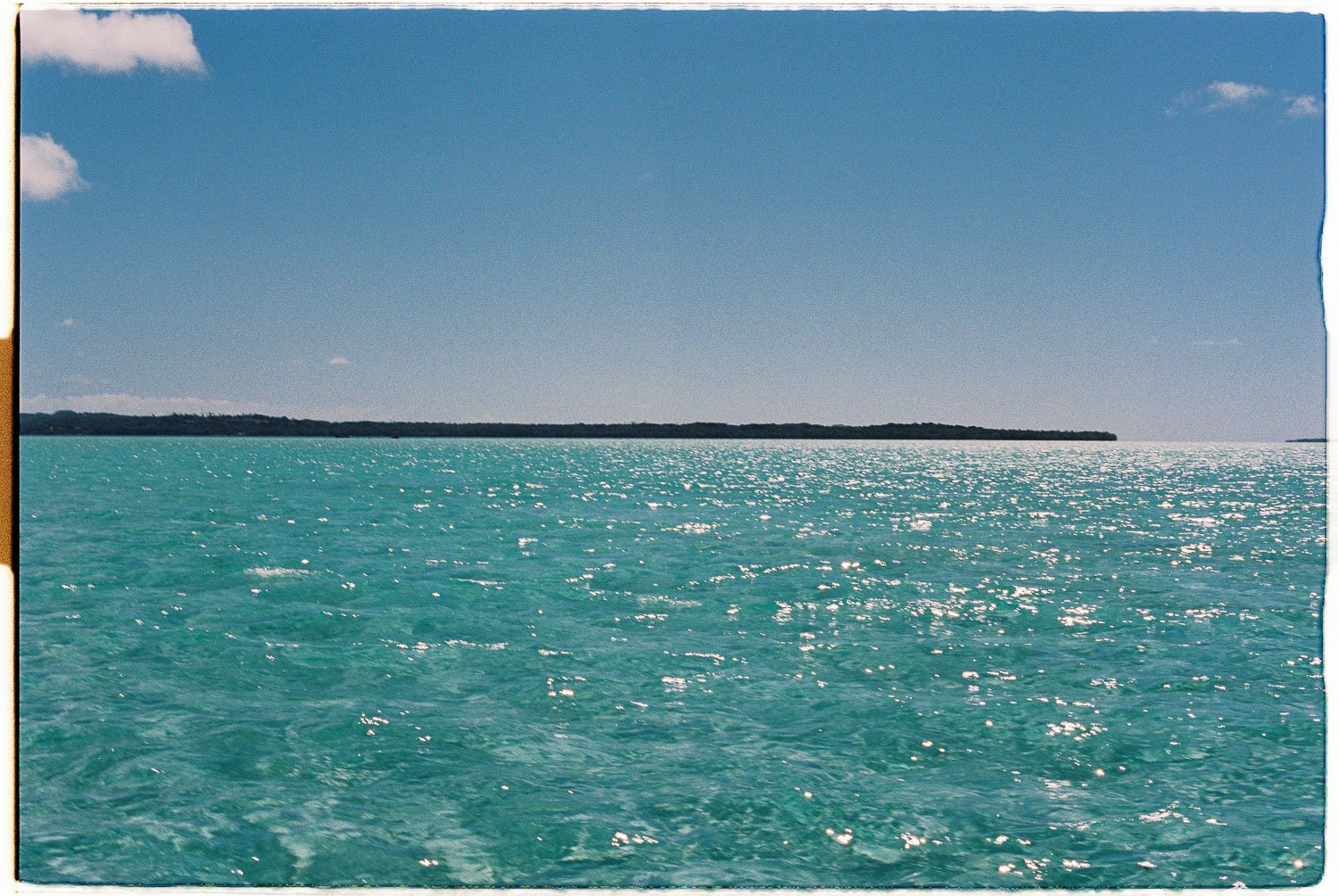
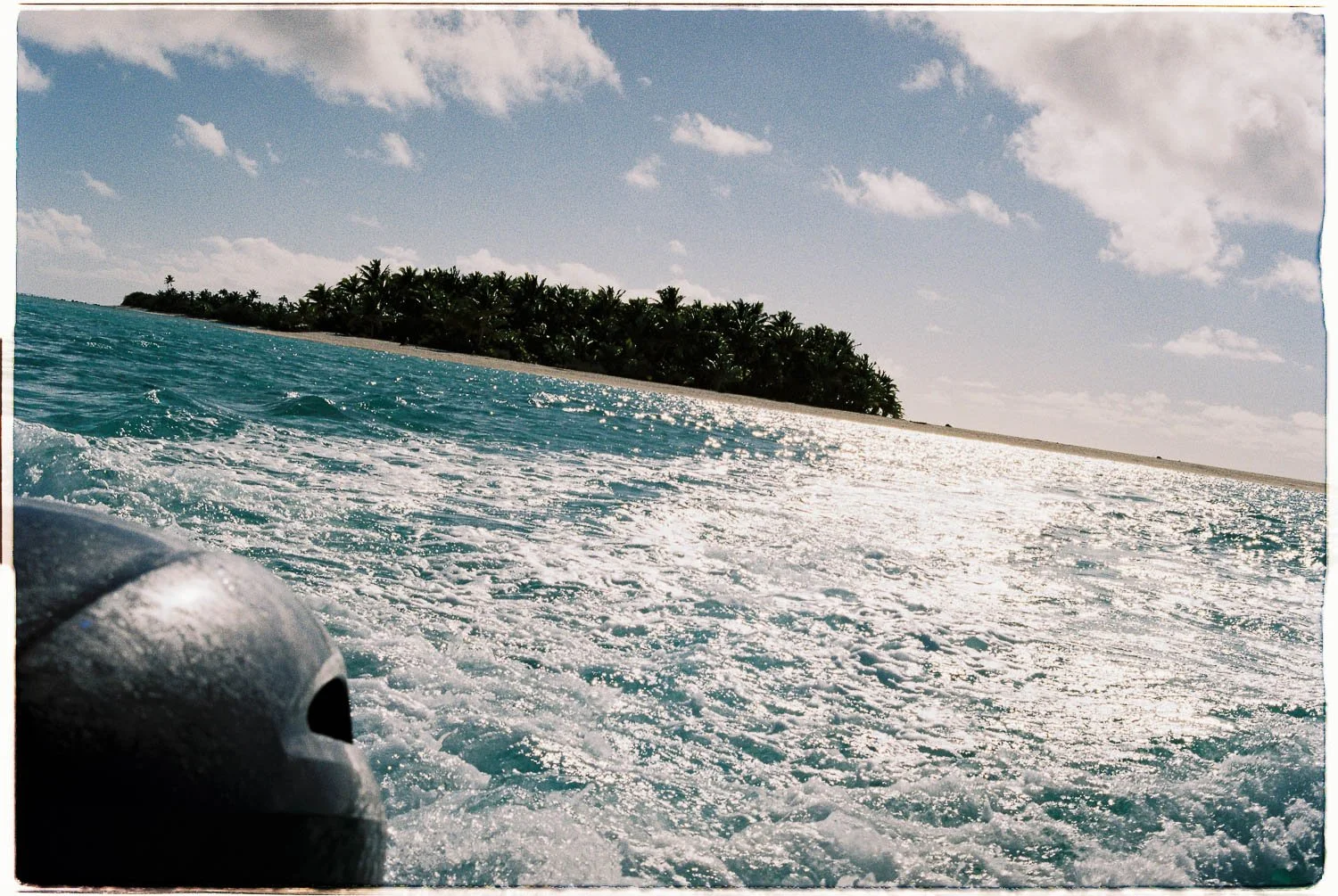
The photographs from this session are part of the early Coral Kids archive. Some images are blurry, accidental, tilted, or unexpected. That is part of the learning. They show the beginning of a process: children discovering the camera, looking through it, and starting to understand that image-making is a way to describe the world around them.
Camera Notes
This session began with a simple invitation: use the camera, try it, and see what happens.
The children were given space to explore without prompts or formal exercises. I wanted to observe who reached for the camera, how they held it, where they pointed it, and what kind of images they made without instruction. The aim was to understand their natural interest, confidence, and curiosity before shaping the next workshops.
A camera changes the space around it. People notice it. They react to it. The person holding the camera has to decide where to stand, how close to get, when to photograph, and when to step back. These small decisions are the beginning of authorship. They also open conversations about comfort, consent, attention, and care.
For Coral Kids, photography begins as a group undertaking. Each image is shaped by who holds the camera, who is photographed, who feels comfortable being seen, and who gets to decide how images are kept, edited, and shared. This matters because photography is often shaped by power, race, and wealth, even in small everyday moments.
Learning photography begins with the body: hands around the camera, feet in the water, looking, waiting, asking, trying again. These first photographs are early studies in seeing and being seen. They help shape the next stage of workshops, where the children will begin working with prompts, image review, editing, sequencing, and shared storytelling.